


Twelve Experience Summary in CNC Machining!
Due to the complexity of CNC machining (such as different machine tools, materials, tools, cutting methods, parameter settings, etc.), it is necessary to go through a relatively long period of time from engaging in CNC machining (whether machining or programming) to reaching a certain level. The following is a summary of CNC machining processes and procedures summarized by engineers in long-term actual production processes A summary of experience in the selection of commonly used tool parameters and monitoring during the machining process is available for your reference.
1, How to divide processing procedures?
The division of CNC machining processes can generally be carried out according to the following methods:
1. The centralized sorting method of cutting tools is to divide the processes according to the tools used, and use the same tool to process all the parts that can be completed on the part. Use the second and third knives to complete other parts that they can complete. This can reduce the number of tool changes, compress the travel time, and reduce unnecessary positioning errors.
2. For parts with a lot of processing content, the processing part can be divided into several parts according to their structural characteristics, such as inner shape, outer shape, curved surface or plane, using the sorting method of processing parts. Generally, the plane and positioning surface are machined first, and then the hole is machined; Process simple geometric shapes first, and then process complex geometric shapes; First process the parts with lower precision, and then process the parts with higher precision requirements.
3. For parts that are prone to machining deformation, the rough and fine machining sequencing method is used. Due to the possible deformation that may occur after rough machining, it is necessary to calibrate the shape. Therefore, generally speaking, all processes that require rough and fine machining must be separated. In summary, when dividing processes, it is necessary to flexibly grasp the structure and processability of the parts, the function of the machine tool, the amount of CNC machining content of the parts, the number of installations, and the production organization status of the unit. It is also recommended to adopt the principle of process concentration or process dispersion, which should be determined based on the actual situation, but must strive to be reasonable.
2, What principles should be followed in the arrangement of processing sequence?
The arrangement of processing sequence should be considered based on the structure and condition of the parts, as well as the need for positioning and clamping, with a focus on ensuring that the rigidity of the workpiece is not compromised. The order should generally follow the following principles:
1. The processing of the previous process should not affect the positioning and clamping of the next process, and if there are universal machine tool processing procedures interspersed in the middle, comprehensive consideration should also be given.
2. First, proceed with the internal cavity machining process, and then proceed with the external machining process.
3. It is best to connect the processes processed with the same positioning, clamping method or the same tool to reduce the number of repeated positioning, tool replacement, and moving of the pressure plate.
4. For multiple processes carried out in the same installation, the process with minimal damage to the rigidity of the workpiece should be arranged first.
3, What aspects should be paid attention to when determining the clamping method of workpieces?
When determining the positioning reference and clamping scheme, the following three points should be noted:
1. Strive for consistency in design, process, and programming calculations.
2. Try to reduce the number of clamping times as much as possible, and strive to process all the surfaces to be processed after one positioning.
3. Avoid using manual adjustment plans that occupy the machine.
4. The fixture should be unobstructed, and its positioning and clamping mechanism should not affect the cutting path during processing (such as collision). When encountering such situations, it can be clamped using pliers or adding bottom plate screws.
4, How to determine the appropriate cutting point? What is the relationship between the workpiece coordinate system and the programming coordinate system?
1. The tool alignment point can be set on the part being processed, but it should be noted that the tool alignment point must be a reference position or a precision machined part. Sometimes, the tool alignment point is damaged after the first process, which can make it difficult to find the tool alignment point for the second and subsequent processes. Therefore, when aligning the tool in the first process, it is important to set a relative tool alignment position in a location that has a relatively fixed dimensional relationship with the positioning reference, This can retrieve the original cutting point based on their relative positional relationship. This relative tool alignment position is usually located on the machine tool workbench or fixture. The selection principles are as follows:
1) Finding it is easy.
2) Programming is convenient.
3) Small tool alignment error.
4) Convenient and traceable for inspection during processing.
2. The origin position of the workpiece coordinate system is set by the operator themselves. After the workpiece is clamped, it is determined by tool alignment, which reflects the distance and position relationship between the workpiece and the zero point of the machine tool. Once the workpiece coordinate system is fixed, it generally remains unchanged. The workpiece coordinate system and programming coordinate system must be unified, that is, during machining, the workpiece coordinate system and programming coordinate system are consistent.
5, How to choose a cutting route?
The tool path refers to the movement trajectory and direction of the tool relative to the workpiece during CNC machining. The reasonable selection of processing routes is very important, as it is closely related to the machining accuracy and surface quality of the parts. When determining the cutting route, the following points are mainly considered:
1. Ensure the machining accuracy requirements of the parts.
2. Facilitate numerical calculations and reduce programming workload.
3. Seeking the shortest processing route to reduce empty tool time and improve processing efficiency.
4. Try to reduce the number of program segments as much as possible.
5. Ensure the roughness requirements of the workpiece contour surface after machining, and the final contour should be arranged for continuous machining with the last cutting tool.
6. The forward and backward path of the tool (cutting in and out) should also be carefully considered to minimize the occurrence of tool marks at the contour due to sudden changes in cutting force causing elastic deformation, and to avoid scratching the workpiece by vertically lowering the tool on the contour surface.
6, How to monitor and adjust during the processing?
After the workpiece is aligned and the program debugging is completed, it can enter the automatic machining stage. In the automatic machining process, the operator should monitor the cutting process to prevent abnormal cutting from causing quality problems and other accidents of the workpiece.
Monitoring the cutting process mainly considers the following aspects:
1. The monitoring of the machining process mainly considers the rapid removal of excess allowance on the surface of the workpiece during rough machining. In the automatic machining process of machine tools, the tool automatically cuts according to the predetermined cutting trajectory based on the set cutting amount. At this point, the operator should pay attention to observing the changes in cutting load during the automatic machining process through the cutting load table, adjust the cutting amount based on the tool's load-bearing condition, and maximize the efficiency of the machine tool.
2. Monitoring of cutting sound during the cutting process. In automatic cutting, the sound of the tool cutting the workpiece is generally stable, continuous, and light at the beginning of cutting, and the movement of the machine tool is stable. As the cutting process progresses, when there are hard spots on the workpiece, tool wear, or tool clamping, the cutting process becomes unstable. The manifestation of instability is a change in cutting sound, and there will be collision sounds between the tool and the workpiece, causing vibration in the machine tool. At this time, the cutting amount and cutting conditions should be adjusted in a timely manner. When the adjustment effect is not obvious, the machine tool should be paused and the condition of the cutting tools and workpiece should be checked.
3. Precision machining process monitoring is mainly to ensure the machining size and surface quality of the workpiece, with high cutting speed and large feed rate. At this point, special attention should be paid to the impact of chip accumulation on the machining surface. For cavity machining, attention should also be paid to over cutting and cutting at the corners. To solve the above problems, firstly, attention should be paid to adjusting the spray position of the cutting fluid to keep the machining surface in cooling conditions at all times; The second is to pay attention to the quality of the processed surface of the workpiece, and adjust the cutting amount to avoid changes in quality as much as possible. If the adjustment still has no significant effect, the machine should be shut down to check whether the original program is reasonable.
Special attention should be paid to the position of the tool when pausing or stopping the inspection. If the cutting tool stops during the cutting process and the spindle suddenly stops rotating, it will cause tool marks on the surface of the workpiece. Generally, the machine should be considered for shutdown when the tool leaves the cutting state.
4. The quality of tool monitoring largely determines the machining quality of the workpiece. In the automatic machining cutting process, it is necessary to determine the normal wear and abnormal damage of the tool through methods such as sound monitoring, cutting time control, pause inspection during the cutting process, and workpiece surface analysis. According to processing requirements, timely handling of cutting tools is necessary to prevent processing quality problems caused by untimely handling of cutting tools.
7, How to choose machining tools reasonably? How many factors are there in cutting quantity? How many materials are there for cutting tools? How to determine the rotational speed, cutting speed, and cutting width of the cutting tool?
1. When milling flat surfaces, non regrinding hard alloy end mills or end mills should be selected. In general milling, it is advisable to use secondary cutting, and the first cutting is best to use an end mill for rough milling, with continuous cutting along the surface of the workpiece. The recommended cutting width for each pass is 60% -75% of the tool diameter.
2. End mills and end mills with carbide inserts are mainly used for machining protrusions, grooves, and box surfaces.
3. Ball cutters and round cutters (also known as round nose cutters) are commonly used for machining curved surfaces and variable angle contour shapes. And ball cutters are mostly used for semi precision machining and precision machining. Round cutters with hard alloy inserts are often used for rough cutting.
8, What is the purpose of the machining program sheet? What should be included in the machining program sheet?
1. The machining program sheet is one of the contents of CNC machining process design, and it is also a regulation that operators need to follow and execute. It is a specific description of the machining program, aiming to make operators clear about the content of the program, clamping and positioning methods, and the issues that should be paid attention to when selecting cutting tools for each machining program.
2. In the machining program sheet, it should include: drawing and programming file names, workpiece names, clamping sketches, program names, tools used in each program, maximum cutting depth, machining properties (such as rough machining or precision machining), theoretical machining time, etc.
9, What preparations should be made before CNC programming?
After determining the processing technology, it is necessary to understand before programming:
1. Workpiece clamping method;
2. The size of the workpiece blank - in order to determine the processing range or whether multiple clamping is required;
3. The material of the workpiece - in order to select the type of tool used for processing;
4. What are the tools in stock? Avoid modifying the program due to the lack of this tool during processing. If it is necessary to use this tool, it can be prepared in advance.
10, What are the principles for setting the safety height in programming?
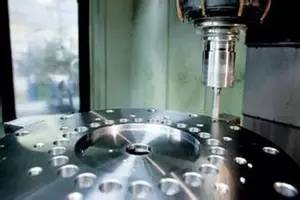
The principle of setting a safe height: generally higher than the highest surface of the island. Alternatively, setting the programming zero point to the highest surface can also minimize the risk of knife collision.
11, Why do post-processing still need to be carried out after the tool path is programmed?
Due to the different address codes and NC program formats recognized by different machine tools, it is necessary to choose the correct post-processing format for the machine tool used to ensure that the compiled program can run.
12, What is DNC communication?
The methods of program delivery can be divided into CNC and DNC. CNC refers to the program being transported to the memory of the machine tool through media media (such as floppy disks, tape readers, communication lines, etc.) for storage. During processing, the program is retrieved from the memory for processing. Due to the size limitation of the memory capacity, DNC can be used for processing when the program is large. During DNC processing, the machine tool directly reads the program from the control computer (i.e., performs while feeding), so it is not limited by the size of the memory capacity.
1. There are three main factors for cutting parameters: cutting depth, spindle speed, and feed rate. The overall principle for selecting cutting parameters is: less cutting, fast feed (i.e. less cutting depth, fast feed rate)
2. According to material classification, cutting tools are generally divided into ordinary hard white steel cutting tools (made of high-speed steel), coated cutting tools (such as titanium plating), and alloy cutting tools (such as tungsten steel, boron nitride cutting tools, etc.).


