


Lathe Machine
What is Lathe Machine
A lathe machine is a highly versatile tool used in metalworking, woodworking, and other materials processing applications. It is a machine tool that rotates a workpiece on its longitudinal axis to perform various operations such as cutting, sanding, knurling, drilling, or deformation with tools that are applied to the workpiece to create an object with a symmetrical or tapered shape.
Advantages of Lathe Machine
Versatility
Lathe machines are highly versatile tools that can perform a wide range of operations on various materials, including metals, woods, plastics, and more. They can be used for tasks such as cutting, drilling, sanding, knurling, threading, and taper cutting, among others. This versatility makes lathe machines suitable for a broad spectrum of applications and industries.
Precision
Lathe machines are known for their accuracy and precision, which is crucial in many manufacturing and machining processes. The ability to control the position of the cutting tool relative to the rotating workpiece enables precise shaping and sizing, resulting in high-quality finished products with minimal defects.
Efficiency
Lathe machines can significantly improve production efficiency. By automating repetitive tasks, lathe machines can increase throughput and reduce manual labor. This is particularly beneficial for high-volume manufacturing where consistent precision and efficiency are essential.
Customization
Lathe machines can be easily customized to accommodate different workpiece sizes and shapes. The carriage and tool post can be adjusted to suit the specific needs of the workpiece, allowing for the creation of custom parts and components with unique specifications.
Cost-Effectiveness
Lathe machines are generally cost-effective, especially when considering their long-term benefits. They can extend the lifespan of tools by sharpening and reconditioning them, which reduces the need for frequent tool replacement. Furthermore, the efficiency gains from using lathe machines can offset the initial investment cost over time.
Wide Range of Applications
Lathe machines are used in a variety of applications across different industries. From producing automotive components and engine parts to creating intricate jewelry pieces and sculptures, lathe machines are essential tools for shaping and machining a broad range of materials.


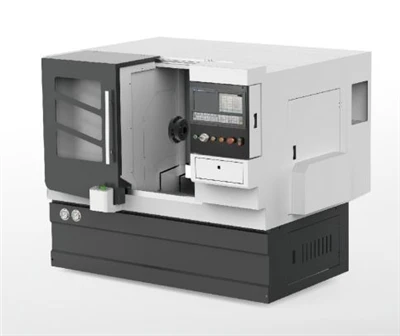


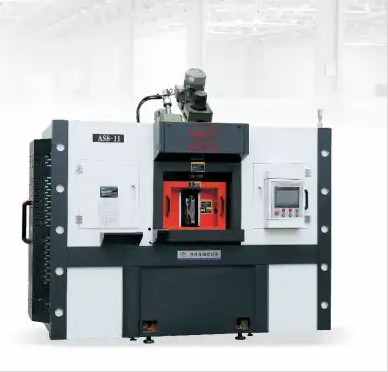


This CNC Lathe machine make the different brass valves body and fitting ,it's quickly to production and stable quanlity .when you need make the order for this machine ,please contact with us asap The follow contact detail Tade Manager Frank YUHUAN MIZHENG IMPORT AND EXPORT CO.,LTD Add : shamen industrial City ,Yuhuan .Taizhou,Zhejiang,China Tel:+86-0576-87421833 Fax:+86-576-87423320 Email:admin@brass-valve-machine.com cellphone +86 13357652315 Wechat 191692919 QQ 191692919 http://www.brass-valve-machine.com
Why Choose Us
Professional team
We have a team of skilled and experienced professionals who are well-versed in the latest technology and industry standards. Our team is dedicated to ensuring that our customers get the best service and support possible.
High quality products
We always put customer needs and expectations in the first place, refine on, continuous improvement, to seek every opportunity to do better, to provide customers with their expectations of quality products, to provide customers with the most satisfactory service at anytime.
Advanced equipment
We take great measures to ensure that we work with the industry’s highest quality equipment and that our equipment is regularly and meticulously maintained.
Efficient and convenient
The company has established marketing networks around the world to provide high-quality services to customers in an efficient and convenient manner.
Competitive prices
We offer our products at competitive prices, making them affordable for our customers. We believe that high-quality products should not come at a premium, and we strive to make our products accessible to all.
Rich experience
Has a long-standing reputation in the industry, which makes it stand out from its competitors. With over many years of experience, they have developed the skills necessary to meet their clients' needs.
Engine Lathe
The engine lathe is the most common type of lathe machine and is often considered the standard configuration. It features a headstock at one end, which houses the spindle that rotates the workpiece, and a tailstock at the other end, which supports the workpiece and can house additional tools. The engine lathe is capable of performing a wide range of operations, such as turning, cutting, drilling, and threading.
Bench Lathe
Bench lathes are smaller versions of engine lathes that are designed to be mounted on a workbench or table. They are suitable for lighter-duty applications, such as hobbyist projects, maintenance tasks, and educational purposes. Bench lathes are typically manually operated and offer limited size and capacity compared to larger lathe machines.
Turret Lathe
Turret lathes feature a turret that holds multiple tools that can be quickly indexed into position for operation. This allows for more efficient and automated production as the machine can perform multiple operations without the need to manually change tools. Turret lathes are often used in high-volume manufacturing settings where speed and efficiency are critical.
CNC Lathe
CNC (Computer Numerical Control) lathes are automated machines that are programmed using computer software to perform complex tasks with high precision and repeatability. They are capable of handling intricate geometries and high-precision machining requirements. CNC lathes can be either manual, semiautomatic, or fully automatic, with advanced capabilities for high-volume production and complex part manufacturing.
Special-Purpose Lathe
Special-purpose lathe machines are customized lathe configurations designed for specific tasks or applications. They may incorporate unique features or attachments to facilitate specialized operations, such as cutoff, grinding, or thread rolling. Special-purpose lathe machines are typically used in manufacturing environments where a specific machining process is performed repetitively.
Multi-Spindle Lathe
Multi-spindle lathes feature multiple spindles that can operate simultaneously on a single workpiece or multiple workpieces. This allows for increased productivity and throughput, as each spindle can perform a different operation concurrently. Multi-spindle lathes are commonly used in high-volume production environments where efficiency and speed are critical.
Chuck Lathe
Chuck lathes use a chuck to hold the workpiece rather than a traditional collet or spindle. The chuck can be opened and closed to grip the workpiece securely. Chuck lathes are often manually operated and are suitable for lighter-duty applications where workpiece gripping flexibility is required.
How Does a Lathe Machine Work
Rotation of Workpiece
The workpiece, which can be a cylindrical or conical shape, is securely mounted between the headstock and tailstock of the lathe machine. The headstock, located at one end of the lathe, holds the spindle that rotates the workpiece at a specified speed, while the tailstock, at the other end, provides support to the workpiece. The workpiece is typically held in a chuck or collet that grips it securely while allowing it to rotate freely.
Application of Tools
The cutting tools are mounted on the carriage, which is a mobile unit that can move along the bed of the lathe. The carriage can be moved manually or automatically, depending on the type of lathe machine. The carriage holds the tool post, which in turn holds the cutting tool. The tool post can be adjusted to different angles and positions to accommodate various cutting operations.
Cutting Operations
As the workpiece rotates, the carriage moves the cutting tool along the length of the workpiece. The cutting tool removes material from the workpiece by cutting into it. The depth of cut can be adjusted to control the amount of material removed. The carriage can also be moved back and forth to perform different types of cuts, such as facing, turning, and drilling.
Tool Types
There are various types of cutting tools used in a lathe machine, including turning tools, parting tools, drilling tools, and threading tools. Each tool is designed for a specific cutting operation and can be sharpened to maintain its cutting edge. The tools can be mounted on the tool post in different positions to accommodate different cutting angles and depths.
Speed and Feed Control
The speed of rotation of the workpiece and the feed rate of the carriage are crucial parameters that affect the cutting operation. The speed of rotation is controlled by the spindle of the lathe, which can be adjusted to different speeds depending on the material and the desired surface finish. The feed rate is the speed at which the carriage moves along the bed of the lathe, and it can be adjusted to control the amount of material removed during each pass of the cutting tool.
What Are the Different Components of a Lathe Machine


The headstock is the main component located at the right-hand end of the lathe. It houses the spindle, which is responsible for holding and rotating the workpiece. The headstock also contains the gearbox, which allows the operator to select the appropriate spindle speed for the material and the required surface finish. The headstock further provides support and stability to the entire assembly.
The spindle is a long, vertical shaft that extends from the headstock and is responsible for rotating the workpiece. It is typically driven by a motor and can be manually or automatically loaded with the workpiece. The spindle speed can be adjusted to suit the material and the desired finish of the workpiece.
The chuck is a device mounted on the spindle that holds the workpiece securely in place. It allows for quick and easy attachment and removal of the workpiece. There are various types of chucks, including three-jaw, four-jaw, and collet chucks, each designed for specific applications and workpiece shapes.
The tailstock is a moveable component that slides along the lathe's bed and is located at the opposite end of the headstock. It provides additional support to the workpiece, especially for long or slender pieces. The tailstock typically houses a live center, which aligns with the headstock's spindle to ensure proper rotation and stability of the workpiece.
The carriage is a heavy, movable component that travels along the lathe's bed and is positioned between the headstock and tailstock. It holds the tool post and the cutting tools that perform the machining operations on the workpiece. The carriage can be moved manually or automatically, allowing for precise control during the cutting process.
The tool post is a component of the carriage that provides a way to securely mount various cutting tools. It can be adjusted to different angles and positions to accommodate various cutting operations, such as turning, parting, and threading.
Cutting tools are the actual instruments that remove material from the workpiece. They are held in the tool post and come in various shapes and sizes, depending on the type of cut required. The most common types of cutting tools include turning tools, parting tools, drilling tools, and threading tools.
The bed is the main support structure of the lathe, providing a sturdy base for all the other components. It ensures that the machine is properly aligned and that all components are securely attached.
The slide ways are the precision-ground surfaces on which the carriage, apron, and tailstock move. They ensure smooth and precise motion of these components during the machining process.
The apron is a part of the carriage that houses the gears and levers used to control the carriage's movement. It allows the operator to advance and retract the carriage and adjust the tool post as needed.
The feedscrews and nut assembly are responsible for advancing the carriage along the bed at a controlled rate. This mechanism ensures that the cutting tools remove material from the workpiece at a consistent and controlled feedrate.
The controls and panel of a lathe machine include the levers, dials, buttons, and switches that operate the machine. They allow the operator to control the spindle speed, feedrate, and other machine functions, ensuring precise and accurate machining operations.
Electronic speed regulation
Lathes that use electronic control technology are usually equipped with an electronic speed regulator. The operator can change the speed by adjusting the knob or button of the electronic speed regulator. Electronic speed regulation has the characteristics of high precision and high response speed, and can provide a wider speed adjustment range.
CNC control
Lathes using CNC technology can achieve automated control by inputting processing programs. Different rotation speeds and other processing parameters can be set in the program, and the lathe will automatically adjust the speed to meet the processing requirements. CNC control has a high degree of flexibility and processing accuracy, and is suitable for processing complex parts.
Mechanical speed change
Some traditional lathes use a mechanical transmission system to achieve different speeds by changing the gear combination in the spindle box. The operator can adjust the speed of the lathe by selecting different gears.
Manual speed regulator
Some lathes are equipped with a manual speed regulator, usually through a rotary or push-pull joystick to adjust the speed. The operator can adjust the speed as needed and observe the reading on the tachometer.
Hydraulic speed regulation
Some modern lathes use a hydraulic system to drive the rotation of the spindle, and control the speed by changing the flow and pressure of hydraulic oil. This approach allows for smoother and more precise speed regulation.
What Is the Difference Between a Manual and an Automatic Lathe Machine
The main differences between manual and automatic lathes are mode of operation, precision and productivity.
Manual lathes usually have the operator directly controlling the tool and feed speed, which requires the operator to have high skills and experience. The advantage of a manual lathe is its high flexibility, because the operator can adjust the tool and feed speed at any time according to the actual situation. Additionally, manual lathes are generally simpler and less expensive to maintain. However, manual lathes are less productive because the operator needs to spend a lot of time and energy to complete the machining task.
In contrast, automatic lathes use CNC technology or other automation technologies to automatically complete processing tasks without requiring the operator to directly control the tool and feed speed. The advantages of automatic lathes are high precision and efficiency, as they can complete machining tasks quickly and accurately and maintain consistent performance over a long period of time. In addition, automatic lathes can also process complex-shaped parts and are suitable for mass production. However, automatic lathes typically have higher initial and maintenance costs and require specialized technicians to operate and maintain.
In addition to differences in operating methods, manual and automatic lathes also differ in design and structure. Manual lathes are usually relatively simple, with only a tool holder and a tailstock, while automatic lathes are equipped with more complex control systems and auxiliary equipment, such as cooling systems, chip conveyors, etc. These auxiliary equipment can improve processing quality and efficiency.
What Are the Maintenance Methods for Lathes
It is important to keep the lathe machine clean and free from dirt and debris. This can be done by regularly wiping down the machine with a damp cloth and cleaning the machine's components, such as the chuck, tool holder, and bearings, with a cleaning solution.

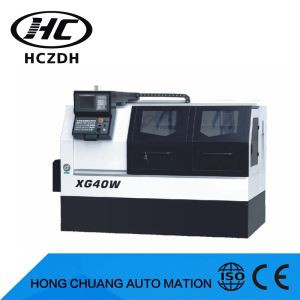
Lubrication is essential for maintaining the smooth operation of the lathe machine. It is important to lubricate the machine's moving parts, such as the bearings, gears, and lead screw, with the appropriate lubricant to reduce friction and wear.
The tools used on the lathe machine, such as the cutting tools and drill bits, should be regularly checked for wear and replaced when necessary. It is also important to keep the tool holders clean and in good condition.


Regularly inspect the machine for signs of wear, such as worn bearings, loose bolts, and cracked components. Any worn or damaged parts should be replaced promptly to prevent further damage to the machine.
It is recommended to perform regular maintenance checks on the lathe machine to identify any potential issues before they become significant problems. This can include checking the alignment of the machine, testing the accuracy of the chuck, and checking the tension of the belt.


It is important to follow the manufacturer's recommendations for maintenance and servicing of the lathe machine. This can include periodic maintenance checks, replacement of components, and adherence to the manufacturer's guidelines for lubrication and cleaning.
How to Adjust the Accuracy of the Lathe's Feed System
Check the Lead Screw
The lead screw is responsible for moving the carriage of the lathe machine. Check the lead screw for any signs of damage, such as nicks or scratches, which can affect the accuracy of the feed system.
Check the Feed Screw
The feed screw is responsible for moving the tool post and cutting tool. Check the feed screw for any signs of damage, such as nicks or scratches, which can affect the accuracy of the feed system.
Check the Chuck
The chuck is responsible for holding the workpiece in place. Check the chuck for any signs of damage, such as nicks or scratches, which can affect the accuracy of the feed system.
Check the Bearings
The bearings of the lathe machine are responsible for supporting the spindle and reducing friction. Check the bearings for any signs of wear or damage, which can affect the accuracy of the feed system.
Check the Gears
The gears of the lathe machine are responsible for transmitting power from the motor to the spindle. Check the gears for any signs of wear or damage, which can affect the accuracy of the feed system.
Check the Alignment
It is important to check the alignment of the lathe machine to ensure that all components are properly aligned. Misalignment can affect the accuracy of the feed system.
Check the Tension
The tension of the belt that drives the spindle can affect the accuracy of the feed system. Check the tension of the belt and adjust it if necessary.
Check the Cutting Tool
The cutting tool is responsible for shaping the workpiece. Check the cutting tool for any signs of wear or damage, which can affect the accuracy of the feed system.
Check the Tool Post
The tool post holds the cutting tool in place. Check the tool post for any signs of wear or damage, which can affect the accuracy of the feed system.
Check the Carriage
The carriage holds the tool post and cutting tool. Check the carriage for any signs of wear or damage, which can affect the accuracy of the feed system.
Our Factory

FAQ
Welcome to contact our factory to buy discount lathe machine with high precision and long durability. As one of leading lathe machine manufacturers in China, we also support customized service.
ZC 100C Short Material Automatic Lathe, Transfer Machine, Best Seller Cnc Small Machine Liner Guide Cnc Machine JD36P