


CNC Machine
What is CNC Machine
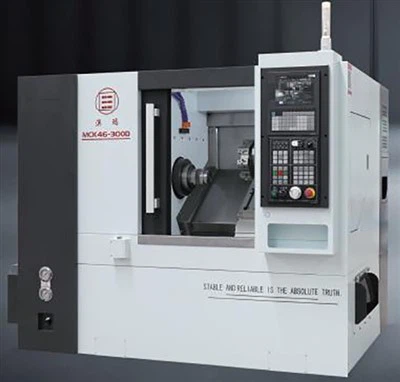
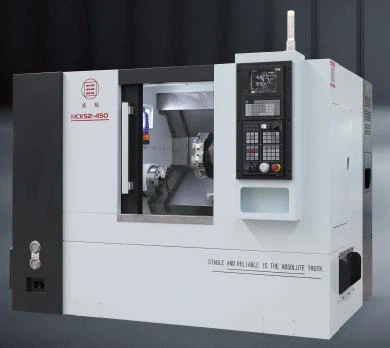
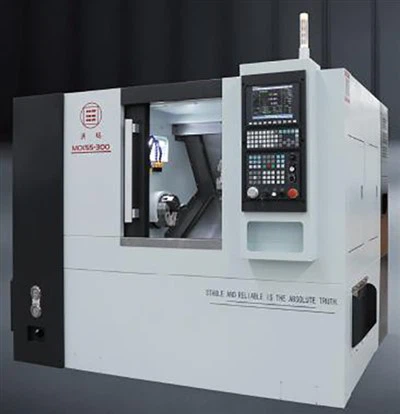
CNC stands for Computer Numerical Control. A CNC machine is a high-tech device which uses a computer and CAM (Computer Aided Manufacturing) software to control, automate, and monitor the movement and operation of machining tools. It works by converting a three-dimensional digital model into a physical object. This process is also known as subtractive manufacturing or machining because it involves removing material from a block to create a part. CNC machines are widely used in many industries such as automotive, aerospace, electronics, and medical devices due to their precision, repeatability, and ability to handle complex geometries.
Advantages of CNC Machine
Increased Precision
One of the primary advantages of CNC machines is their ability to achieve extremely precise results. With a CNC machine, the dimensions and tolerances specified in the CAD program are automatically converted into motion commands for the machine’s motors, ensuring that the finished product meets the exact specifications required.
Improved Efficiency
CNC machines can operate continuously without the need for constant supervision. They can be programmed to run multiple jobs in sequence, reducing the amount of time required for setup and changeovers. This results in improved productivity and a higher output rate.
Enhanced Safety
CNC machines eliminate many of the hazards associated with traditional machining methods. By automating the cutting and drilling processes, CNC machines reduce the risk of accidents, such as flying metal chips or unintended contact with the cutting tools. This is particularly beneficial in high-volume production environments where safety is a top priority.
Versatility
CNC machines are versatile and can handle a wide range of materials, including metals, plastics, and composites. They can also be programmed to perform a variety of tasks, such as drilling, milling, turning, and cutting. This makes CNC machines ideal for applications that require complex shapes and geometries.
Repeatability
CNC machines can produce parts with consistent quality and accuracy time after time. The CAD program and machine tool paths are stored in memory, allowing for exact replication of parts with minimal variation. This is crucial in industries where precise measurements and repeatable results are essential, such as in the aerospace and medical device fields.
Reduced Labor Costs
CNC machines require less skilled labor to operate compared to manual machines. Once the initial programming is completed, the machine can run unattended, reducing labor costs and freeing up skilled workers for other tasks.
Flexibility
CNC machines are highly flexible and can be easily reprogrammed to produce different parts or modify existing ones. This allows manufacturers to quickly respond to changing market demands or make design adjustments on the fly.
Scalability
CNC machines can be easily scaled up or down to accommodate changes in production volume. This makes them ideal for both small batch runs and high-volume production.


Why Choose Us
Professional team
We have a team of skilled and experienced professionals who are well-versed in the latest technology and industry standards. Our team is dedicated to ensuring that our customers get the best service and support possible.
High quality products
We always put customer needs and expectations in the first place, refine on, continuous improvement, to seek every opportunity to do better, to provide customers with their expectations of quality products, to provide customers with the most satisfactory service at anytime.
Competitive prices
We offer our products at competitive prices, making them affordable for our customers. We believe that high-quality products should not come at a premium, and we strive to make our products accessible to all.
Advanced equipment
We take great measures to ensure that we work with the industry’s highest quality equipment and that our equipment is regularly and meticulously maintained.
Rich experience
Has a long-standing reputation in the industry, which makes it stand out from its competitors. With over many years of experience, they have developed the skills necessary to meet their clients' needs.
Efficient and convenient
The company has established marketing networks around the world to provide high-quality services to customers in an efficient and convenient manner.
How Does a CNC Machine Work
Design and Programming
The first step in the process is creating a digital model of the desired part using computer-aided design (CAD) software. The designer uses the CAD program to specify the dimensions, shape, and features of the part. Once the design is complete, it is saved as a CAD file.
Loading the Program
The CNC program is loaded into the CNC machine's controller, which is a specialized computer that manages the machine's operation. The controller reads the program and translates it into motion commands for the machine's motors.
CAM Software
The CAD file is then imported into computer-aided manufacturing (CAM) software. The CAM software analyzes the CAD model and generates a toolpath, which is a set of instructions that tell the CNC machine how to move its cutting tools to remove material and create the desired shape. The toolpath is saved as a CNC program, which consists of a series of numerical codes that correspond to specific movements and commands for the machine's motors.
Machining Process
The CNC machine's spindle starts rotating, and the cutting tool begins to remove material from the workpiece according to the toolpath instructions. The machine's motors move the cutting tool in three-dimensional space, following the programmed toolpath. The machine can perform a variety of tasks, such as drilling, milling, turning, and cutting, depending on the type of machine tool it uses.
Material Preparation
A block of material, such as metal, plastic, or wood, is secured in the machine's workpiece holding device, which can be a vice, clamp, or fixture. The material is typically fastened to the workpiece holding device using screws, bolts, or other types of fasteners.
Machine Setup
The cutting tools needed to machine the part are selected and loaded into the machine's tool magazine. The tools are then automatically selected and loaded into the spindle by the machine's tool changer. The machine's workpiece holding device and cutting tools are zeroed and calibrated to ensure accurate machining.
Finishing
Once the machining process is complete, the workpiece is removed from the machine and undergoes finishing operations, such as sanding, polishing, or coating, to achieve the desired surface finish and appearance.
Quality Control
The finished part is inspected using precision measuring tools, such as calipers, micrometers, or coordinate measuring machines (CMMs), to ensure that it meets the specified dimensions and tolerances.
What Are the Different Types Of CNC Machines
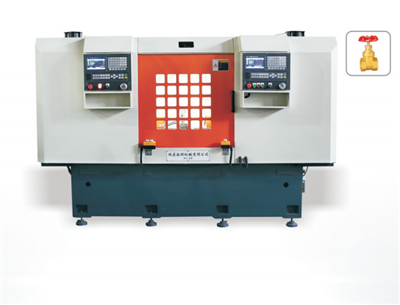


CNC Milling Machines
These machines are used to remove material from a workpiece by drilling, cutting, or grinding it with a rotating tool. They can perform a variety of tasks, such as facing, drilling, boring, and tapping. Milling machines can also be equipped with multiple tools, allowing them to perform multiple operations in a single setup.
CNC Lathes
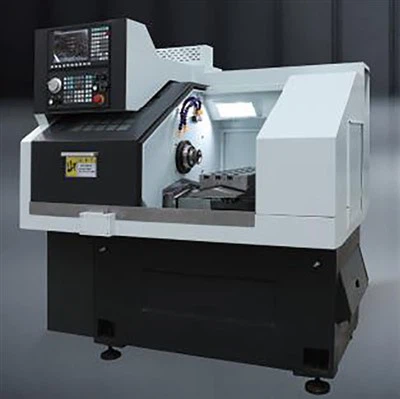
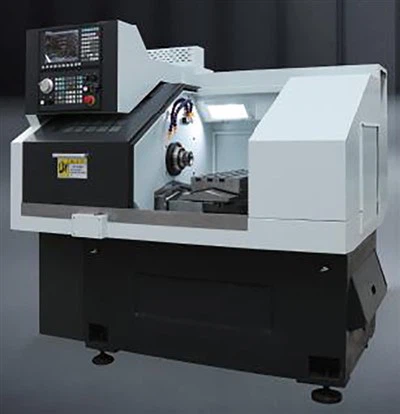
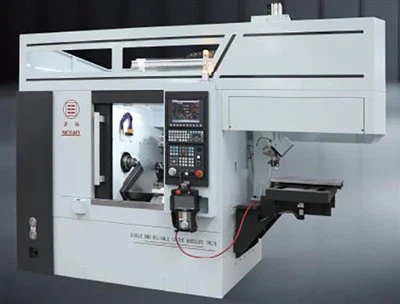
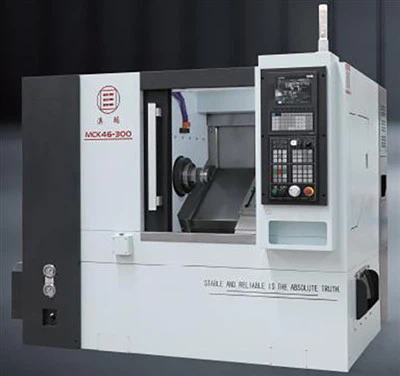
Lathes are used to shape materials, such as metal, by rotating them against a cutting tool. The workpiece is held on a carriage that moves along the length of the machine, while the cutting tool is mounted on a carriage that moves perpendicular to the workpiece. Lathes are commonly used to produce cylindrical objects, such as pipes, rods, and shafts.
CNC Grinding Machines
These machines use an abrasive wheel to remove material from a workpiece by grinding it. Grinding machines can perform tasks such as surface grinding, cylindrical grinding, and internal grinding. They are commonly used in the automotive, aerospace, and medical industries.
CNC Drilling Machines
Drilling machines are used to create holes in a workpiece by drilling it with a rotating tool. They are commonly used in the metalworking industry to drill holes for bolts, screws, and other fasteners.
CNC Router Machines
Routers are used to cut and shape materials, such as wood, plastic, and aluminum, by routing them with a rotating cutter. Router machines can perform tasks such as profiling, cutting, and routing. They are commonly used in the signage, woodworking, and aerospace industries.
CNC Laser Cutting Machines
Laser cutting machines use a high-powered laser to cut materials, such as metal, plastic, and wood. The laser is focused on the material, which is then melted and vaporized by the heat. Laser cutting machines can perform tasks such as cutting, drilling, and engraving.
CNC Waterjet Cutting Machines
Waterjet cutting machines use a high-pressure stream of water mixed with abrasives to cut materials. The waterjet can cut through a wide range of materials, including metal, stone, glass, and wood. Waterjet cutting machines can perform tasks such as cutting, drilling, and shaping.
Control Unit
This is the brain of the CNC machine tool, which contains the computer and the controller. It receives the input from the operator or the CAD/CAM software and converts it into instructions that are sent to the motor drivers.
Motor Drivers
The motor drivers are responsible for converting the electrical signals from the control unit into the motion of the machine tool's axes. They receive signals from the control unit and amplify them to drive the motors.
Axes
A CNC machine tool typically has three linear axes (X, Y, Z) and one or more rotary axes (A, B, C). The linear axes move the machine tool's workpiece or cutting tool in a straight line, while the rotary axes rotate around an axis.
Spindle
The spindle is a motor-driven component that rotates the cutting tool or workpiece. It can be either direct drive or geared drive and can rotate at different speeds depending on the machining requirements.
Tool Changer
The tool changer is a mechanism that automatically selects and changes the cutting tools required for different machining operations. It can hold a variety of tools, such as drills, end mills, reamers, and taps.
Workholding Device
The workholding device is used to secure the workpiece in place during machining. It can be a vice, clamp, fixture, or other types of devices that hold the workpiece firmly and accurately.
Sensors
Sensors are used to monitor and measure various parameters during machining, such as temperature, pressure, and position. They provide feedback to the control unit to ensure accurate and safe machining operations.
Power Supply
The power supply provides the electrical energy required by the CNC machine tool to operate. It can be either AC or DC, depending on the machine tool's requirements.
Coolant System
The coolant system is used to lubricate and cool the cutting zone during machining. It can be either air, mist, or liquid, depending on the machining requirements.
What Are the Maintenance Requirements for A CNC Machine

CNC machines should be cleaned regularly to remove dust, chips, and other debris that can accumulate and cause damage to the machine's components. The machine bed, ways, spindle, and cutting tools should be cleaned regularly.

CNC machines require lubrication to reduce friction and wear between moving components. The linear guides, ball screws, and ways should be lubricated according to the manufacturer's recommendations.

The electrical components such as the control unit, motor drivers, and power supply should be checked regularly for any signs of damage or wear. Any faulty components should be replaced immediately to prevent further damage.
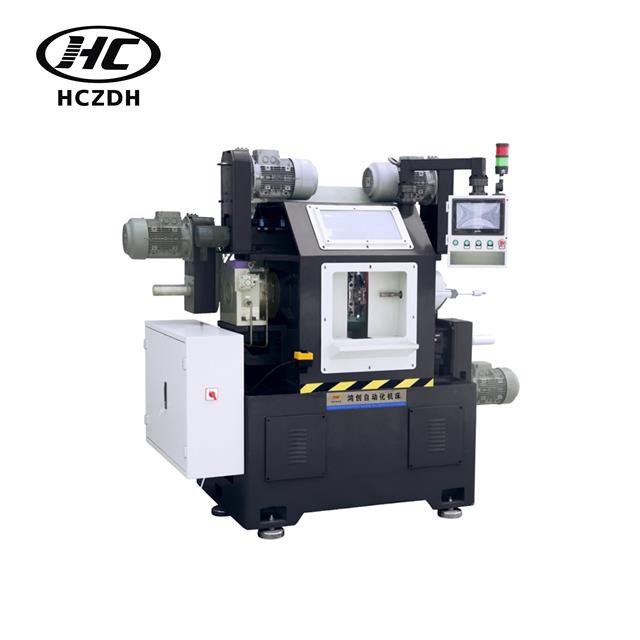
Regular inspections by qualified technicians can help identify any potential issues before they become significant problems. These inspections should include checking the mechanical components, electrical components, and software.

Consumables such as cutting tools, inserts, and workholding devices should be checked regularly and replaced when worn out. This helps to maintain the machine's performance and accuracy.

CNC machines should be calibrated regularly to ensure accuracy and precision. The machine's axes, spindle, and tool changer should be calibrated according to the manufacturer's recommendations.

The software used to program and operate the CNC machine should be updated regularly to ensure compatibility with the machine's hardware and to take advantage of new features and improvements.
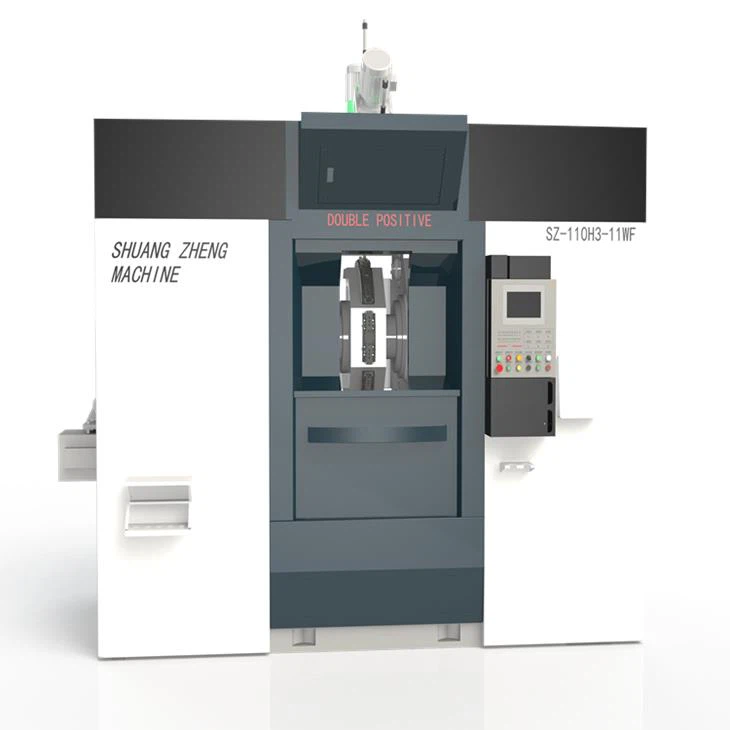
CNC machines should have emergency stop buttons, fire suppression systems, and other safety measures in place to prevent accidents and protect the operators.
What Are the Safety Measures That Should Be Taken While Operating a CNC Machine
Wear Protective Gear
The operator should wear appropriate protective gear, such as safety glasses, gloves, and aprons, to protect against flying debris, coolant, and other hazards.
Use Emergency Stop Buttons
In case of emergencies, the operator should know where the emergency stop buttons are located and how to use them to immediately stop the machine.
Keep Clear of Moving Parts
The operator should keep clear of the machine's moving parts, such as the spindle, cutting tools, and axes, to avoid getting entangled or struck by moving objects.
Use Safe Materials
The operator should only use materials that are compatible with the machine and approved by the manufacturer to prevent any potential hazards.
Follow Proper Machine Startup Procedures
The operator should follow the proper startup procedures, such as checking the machine's condition, clearing the workspace, and warming up the machine, before starting the machine.
Stay Alert and Focused
The operator should stay alert and focused while operating the machine and should not operate the machine if they are tired, distracted, or under the influence of drugs or alcohol.
Use Fire Suppression Systems
In case of a fire, the operator should know where the fire suppression systems are located and how to use them to put out the fire immediately.
Train and Educate Operators
The operator should be properly trained and educated on how to operate the machine safely and effectively. They should also be aware of the potential hazards and how to prevent them.
Regular Inspections
Regular inspections by qualified technicians can help identify any potential safety hazards before they become significant problems.
What Materials Can Be Worked on A CNC Machine
Such as aluminum, steel, copper, etc. These materials have good processing properties and durability and are widely used in machinery, automobiles, aviation and other fields.
Plastic materials are lightweight and corrosion-resistant, making them suitable for manufacturing lightweight and complex parts.
Composite materials such as carbon fiber and glass fiber have the characteristics of high strength and lightweight, and are often used in the manufacturing of parts in aviation, automobiles and other fields.
Ceramic materials have the characteristics of high hardness and high temperature resistance, and are suitable for manufacturing parts that require high precision and high wear resistance.
Some hard materials such as marble, granite, etc. can also be processed by CNC machine tools.
How Can A CNC Machine Be Used for Prototyping Purposes
Design
Prototyping using CAD (Computer Aided Design) software. During the design phase, the functionality, appearance, and manufacturing requirements of the prototype need to be considered.
Processing
Input the completed modeling data into the CNC machine tool for prototype manufacturing. During the processing process, appropriate materials, tools and processing parameters need to be selected to ensure processing quality and efficiency.
Inspection
After processing is completed, the prototype is inspected to ensure that it meets the design requirements. Inspection can use various measuring tools and methods, such as micrometers, calipers, three-dimensional coordinate measuring instruments, etc.
Modeling
Import the designed prototype into CAM (computer-aided manufacturing) software for modeling and processing path planning.
Correction
Based on the inspection results, make necessary corrections and adjustments to the prototype to improve its quality and performance.
Optimization
On the basis of corrections, the prototype is optimized and improved to improve its performance and reduce production costs.
What Is the Difference Between A CNC Machine and a Conventional Machine
Operation
A conventional machine is manually operated by an operator who controls the machine's movements and operations using handwheels, levers, or other mechanical means. In contrast, a CNC machine is operated using computer controls. The operator inputs the desired dimensions and operations into a computer program, and the machine carries out the instructions automatically.
Control System
A conventional machine does not have a computerized control system. The operator relies on their skill and experience to manually control the machine's movements and operations. On the other hand, a CNC machine is equipped with a computerized control system that interprets the instructions from the operator and precisely controls the machine's movements and operations.
Precision and Accuracy
CNC machines offer higher precision and accuracy compared to conventional machines. The computerized control system of a CNC machine ensures consistent and repeatable movements, resulting in precise and accurate machining. In contrast, the precision and accuracy of a conventional machine depend on the skill and experience of the operator.
Complexity of Operations
CNC machines are capable of performing complex operations and machining tasks that would be difficult or impossible to achieve with a conventional machine. The computer control allows for intricate movements, simultaneous multi-axis machining, and the ability to work with complex 3D designs. Conventional machines, while versatile, are limited in their capabilities and are better suited for simpler operations.
Automation
CNC machines offer automation capabilities, allowing for unmanned or lights-out operation. Once the program is set up, the machine can run continuously without the need for constant operator intervention. Conventional machines require constant manual operation and supervision by an operator.
Programming
CNC machines require programming using specialized software, typically using G-code or other programming languages. The operator needs to have knowledge of CNC programming to create the instructions for the machine. In contrast, conventional machines do not require programming and can be operated by any skilled operator.
Flexibility
CNC machines offer greater flexibility in terms of changing operations, dimensions, and designs. The program can be easily modified to accommodate different parts or designs, allowing for quick setup and changeover. Conventional machines require manual adjustments and setup changes, which can be time-consuming and less flexible.
Our Factory

FAQ
Welcome to contact our factory to buy discount CNC machine with high precision and long durability. As one of leading CNC machine manufacturers in China, we also support customized service.
Slant Bed Lathe Machine, SKDT Double CNC Lathes, SCX 01 Automatic CNC Cylindrical Lathe Cutting Milling And Turning Machine