


How to improve the machining accuracy of machine tools
This is a news I saw in the first half of the year. At that time, I felt that there was something to write about in this news, but I also felt that the news didn't seem to be fully explained, so I added it to our material library first. Today, after carefully reviewing this report, I finally understood the hidden information behind it. Extract it into a manufacturing problem, which is how to process higher precision products with the processing accuracy of existing processing equipment.
Let's first summarize this news, which is about Ma Xiaoguang, the chief technician of China Ordnance Industry Group, who decided to try using CNC machine tools to batch process one of the most precise parts on armored vehicles, the integrated planetary carrier. People may think this is not very easy, right? The precision of CNC machine tools is very high! The problem is that the machining accuracy of the planetary carrier needs to be higher, reaching 0.01 millimeters!
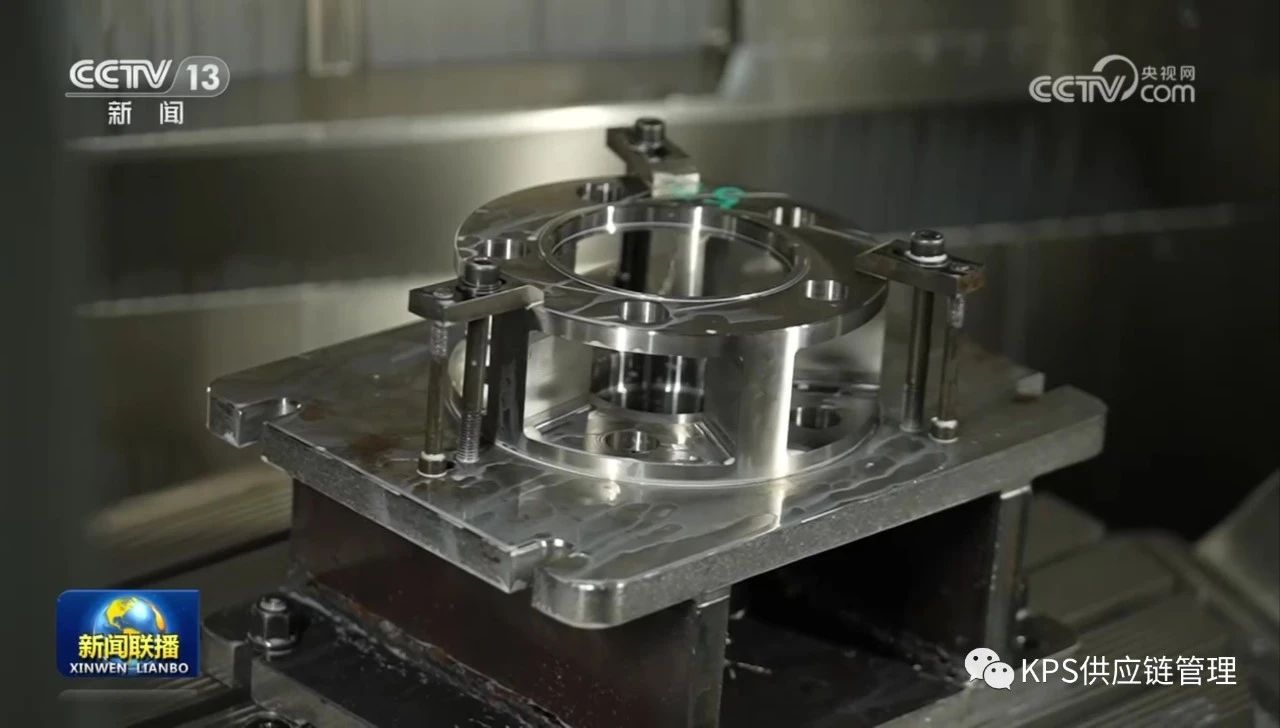
What should we do then? Previously, due to the inability of CNC machine tools to meet accuracy requirements, their colleagues had to first machine and then manually polish, resulting in low efficiency and uneven quality, which could not meet the requirements of mass production.
At this moment, Ma Xiaoguang appeared! In Ma Xiaoguang's view, skilled snipers must not rely solely on sights to hit targets. What left a deep impression on me was his sentence: If a machine can achieve any precision, our operators can only process parts with the same precision, which can only be considered as an operator. It is the responsibility and mission of us as craftsmen and leaders to process parts that cannot meet the precision requirements of a lathe.
Now let's take a look at the most exciting part, how did he achieve it? Where is his problem-solving approach?
For the machine tool in front of us, the micrometer level errors caused by multiple factors such as tool wear and structural deviation, when combined, will still result in the final planetary carrier size exceeding the tolerance of 0.01 millimeters!
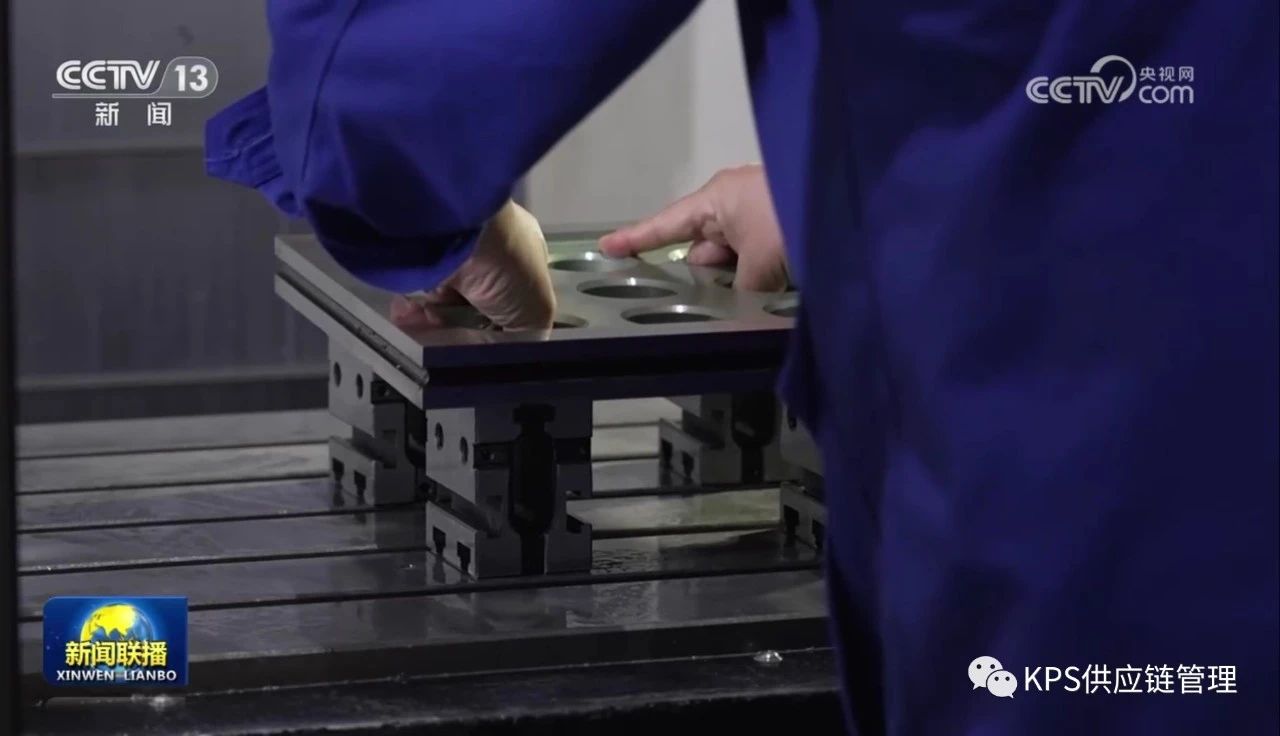
So Ma Xiaoguang carefully studied this machine tool, verifying and improving it one factor at a time, and ultimately corrected the machine tool's errors one micrometer after another!
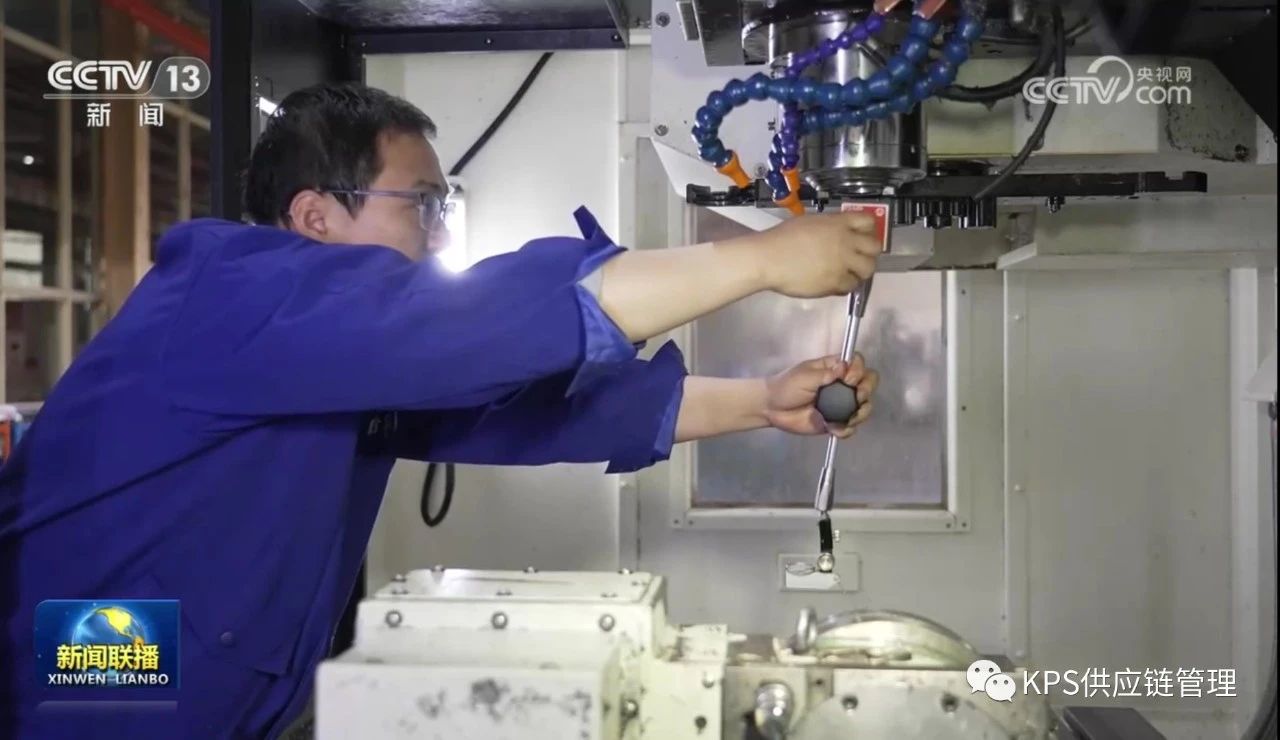
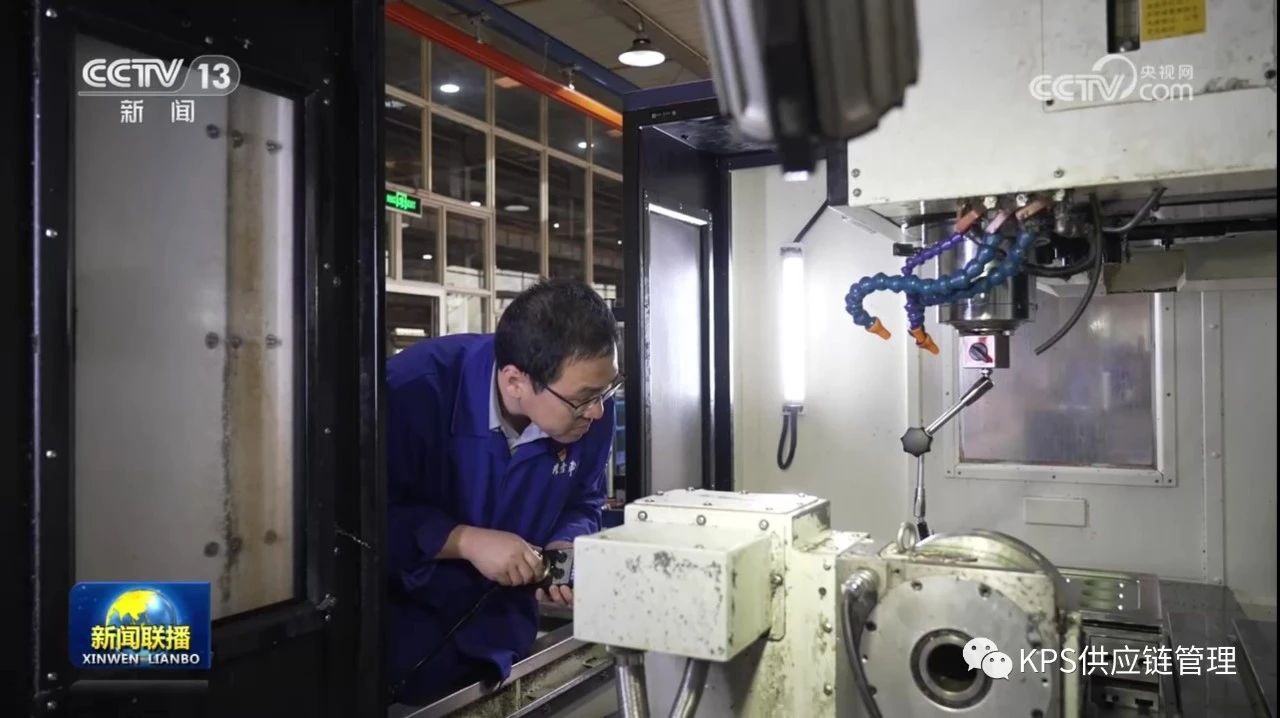
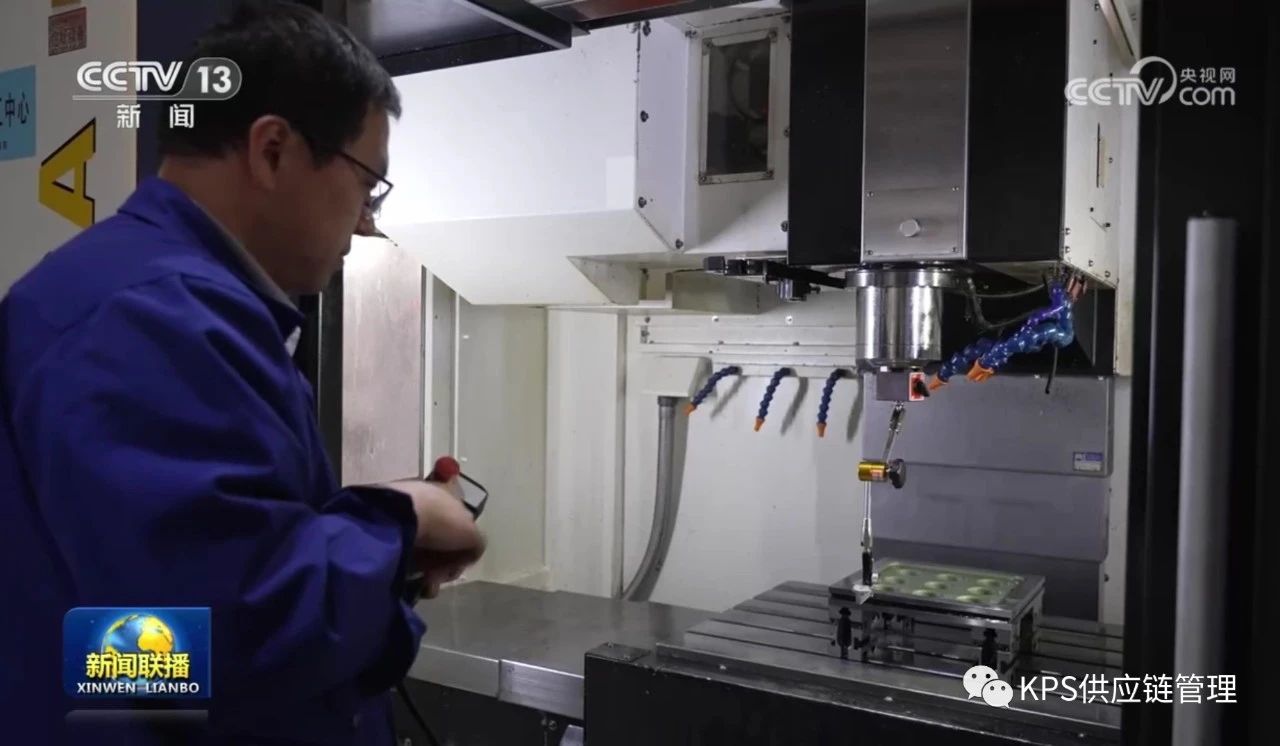
The improvement measures that follow up on these factors are likely to be as follows: for example, cutting tools only use the first ten percent of their lifespan, certain components only use a small parameter range, and even to avoid the influence of workshop temperature, only the first two hours in the morning are used for processing. The above is our speculation, and the report did not mention specific measures.
Many readers may wonder, why bother so much? I never thought of a good way to explain it, until recently when I was tutoring my children in mathematics and saw the concept of common factors (common divisors), I suddenly realized that this is just a problem with common factors!? Machine tools are complex systems with various subsystems or accessories. When combining them together, if you want them to work together happily, you must use their common factors. If there are more subsystems or accessories to be combined, it is like having more circles to be nested together, and it can be imagined that their common factors will be even fewer! Returning to our case, it means more refined group based improvement measures.

So, if we want to use the equipment at hand to the extreme, we need to shift from a "coarse particle" operator mode to a "fine particle" craftsman mode, learn and study more! Only in this way can we, like Ma Xiaoguang, complete impossible tasks (machining an integrated planetary carrier with an accuracy of less than 0.01 millimeters) under constraint conditions (a machine tool with a given level of accuracy)!


