Complete Collection of Milling Methods and Strategies
1
Milling method
1) Basic milling processing
Including: flat milling, groove milling, side milling, and profile milling.
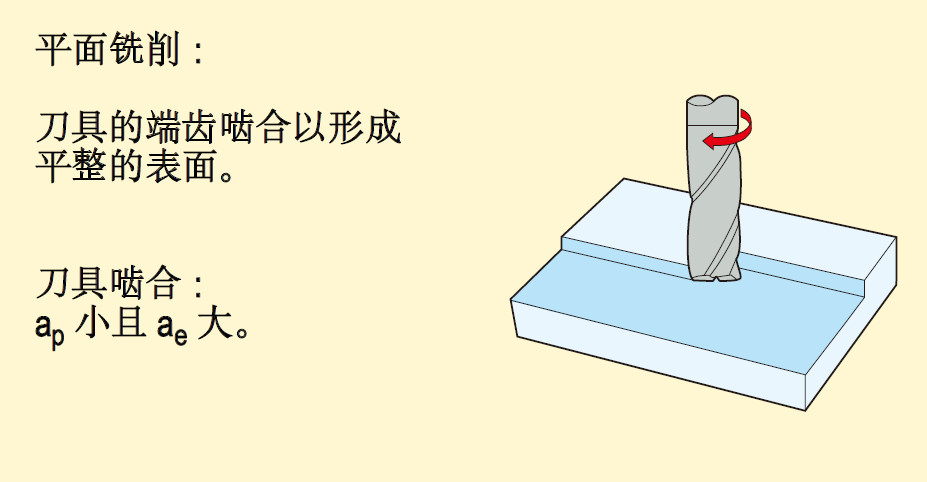
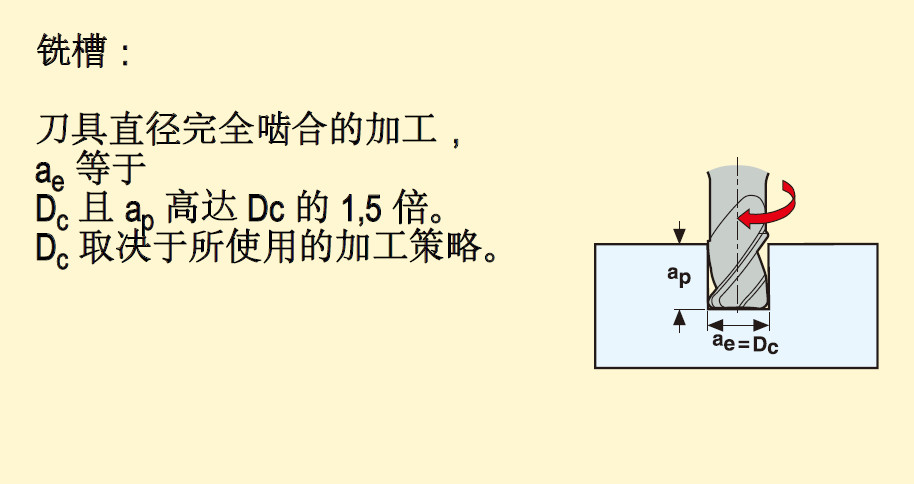
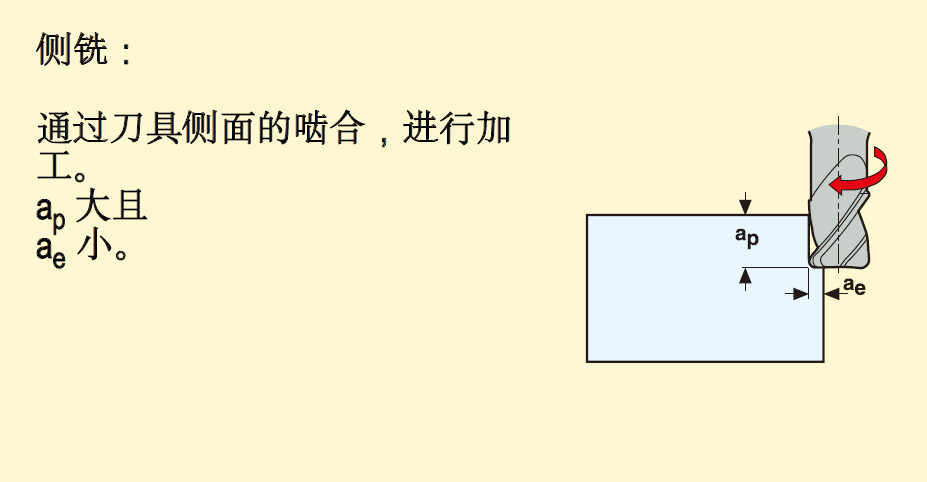
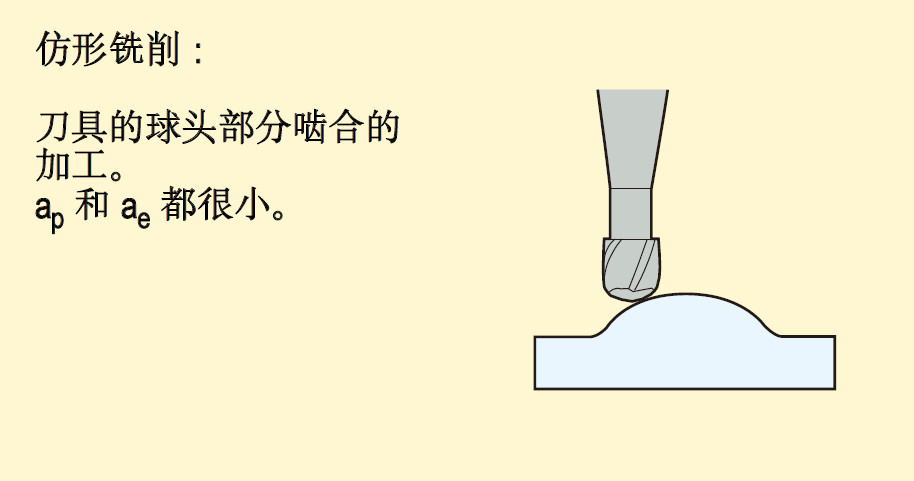
2) Advanced milling processing
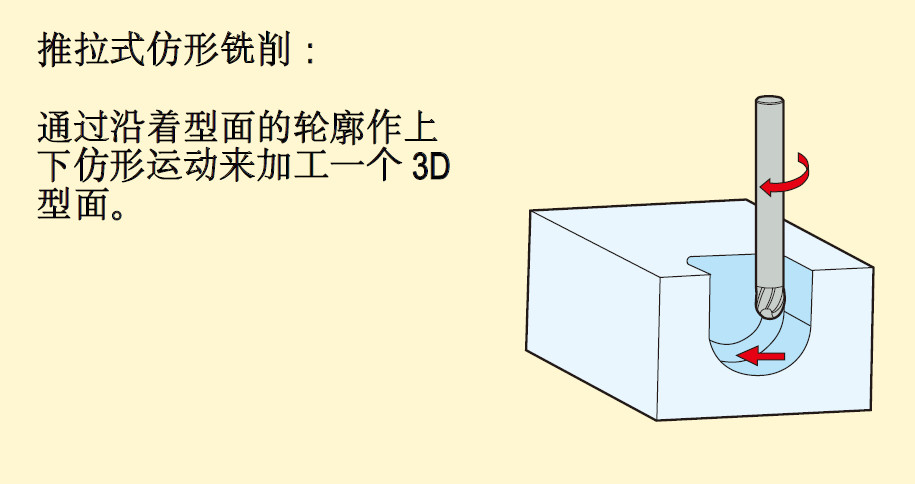
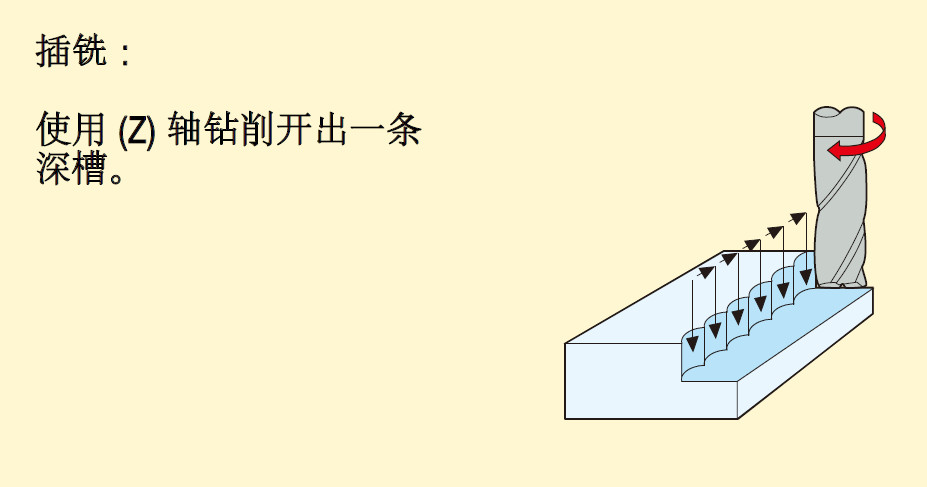
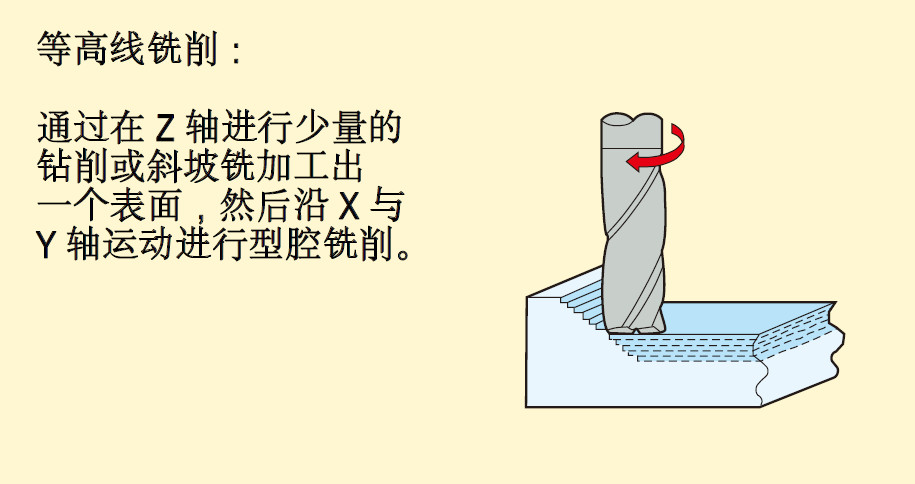
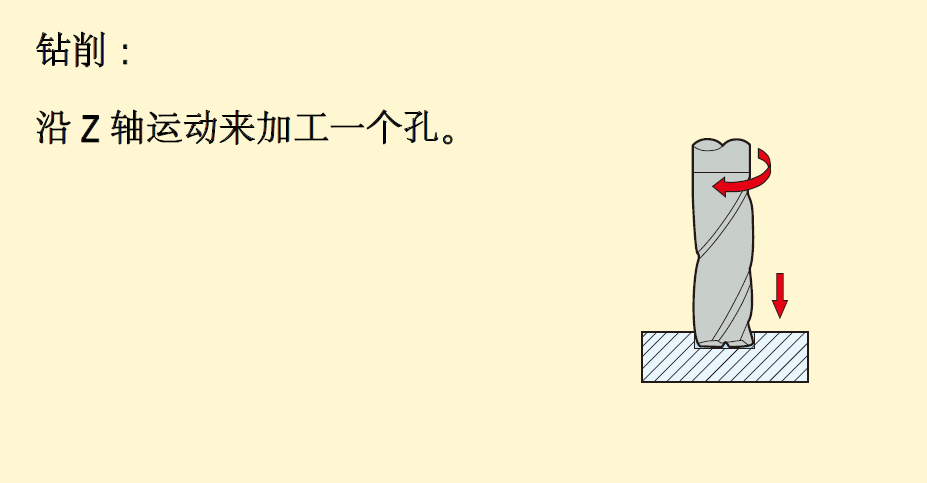
Including: slope milling, thread interpolation, cycloidal milling, push-pull profile milling, slot milling, contour milling, and drilling.
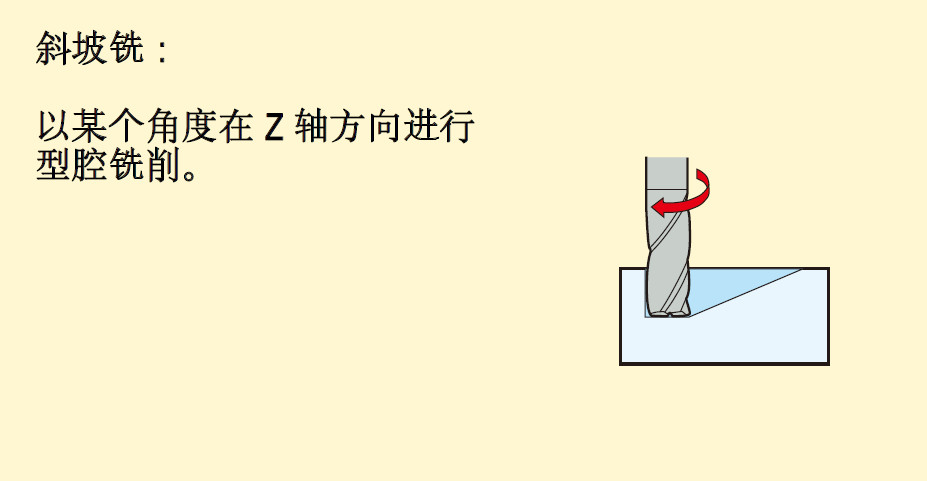
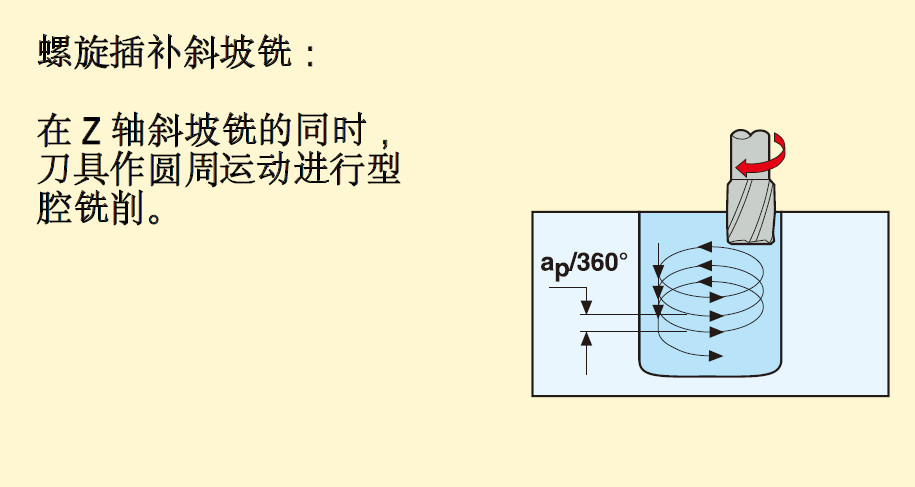
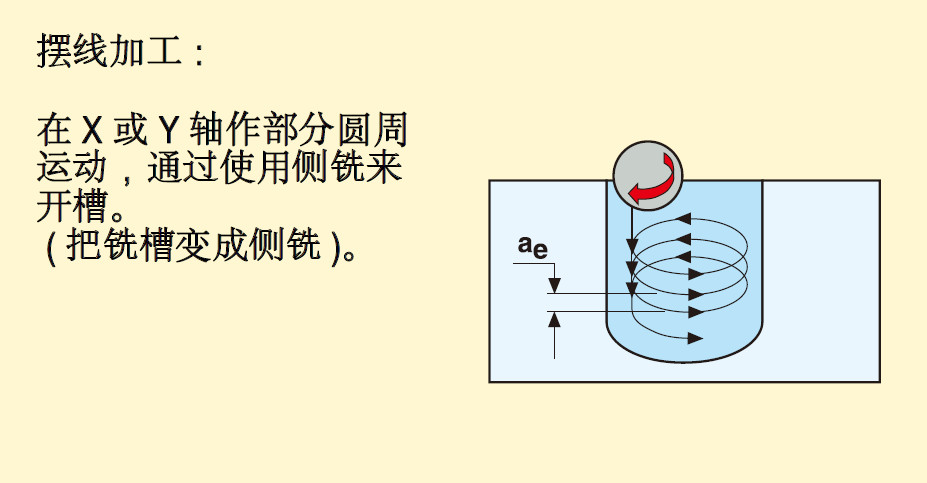
2
Definition of milling strategy
(1) Ordinary processing
It is a processing strategy for general purposes. The ratio of cutting width to cutting depth can vary depending on the type of process.
1) Tool characteristics: The tool has a relatively long cutting edge and a smaller core diameter, and does not have high precision requirements.
2) Machine tool requirements: No special requirements.
3) Application field: With basic CNC technology, advanced machining methods with high difficulty are not feasible; The metal removal rate can only reach an average level; The application areas usually include small batch sizes and a wide range of materials.
(2) High speed machining
It is a machining strategy that combines small radial cutting depth, high cutting speed, and feed rate; According to the adopted method, high material removal rate and low Ra value can be achieved. The typical characteristics of this strategy are low cutting force, less heat transferred to the tool and workpiece, reduced formation of burrs, and high dimensional accuracy of the workpiece; Under high-speed machining, using faster cutting speeds than regular machining can achieve high metal removal rates and good surface roughness.
1) Tool characteristics: Stable (larger core diameter and shorter cutting length), clear and well formed chip space, conducive to good chip removal and coating.
2) Machine tool requirements: High speed CNC control, high speed, and fast feed rate of the workbench.
3) Application field: Hardened steel (48-62 HRC) in the mold industry is subjected to semi precision machining and precision machining, with short delivery time. When using the correct cutting tools and advanced machining methods, this technology can also be applied to many other materials.
(3) High performance processing
It is a processing strategy that can achieve a very high metal removal rate. The typical feature of this strategy is that the cutting width is twice that of Dc, and the cutting depth is 1-1.5 times that of Dc, depending on the material of the workpiece; Under high-performance machining, using a machining method with much higher chip load than ordinary machining can achieve extremely high metal removal rates.
1) Tool characteristics: A specially developed chip holding structure on the chip removal groove of the tool, with a 45 °, small flat or curved blade tip for protection, a particularly smooth chip holding space, coating, with or without a side fixed handle.
2) Machine tool requirements: high stability, high power requirements, high rigidity clamping system.
3) Application field: In large-scale production and processing, production efficiency is a key indicator, or in the processing of single products that require high metal removal rates.
(4) High feed processing
It is a high feed machining strategy that combines full cutting of the entire tool diameter with small cutting depth. Under high feed rate machining, it is possible to achieve high metal removal rate and good surface roughness by using a faster feed rate than regular machining.
1) Tool characteristics: specially developed tool tip, extremely short cutting length, and coating.
2) Machine tool requirements: high stability and the possibility of high feed speed.
3) Application areas: From soft steel to quenched steel, titanium alloy and stainless steel, it is very good as a pre processing before high-speed machining, and can also be used for deep cavity machining. One of the advantages of this technology is that it is very convenient for users to achieve simple, secure, and fast programming in CAM. Using the so-called contour milling strategy makes it easier to program complex shapes without extensive programming experience.
(5) Microprocessing
It is a machining strategy that uses extremely small tool diameters.
1) Tool characteristics: diameter range from Ø 0.1 to 2.0mm, short cutting length, wide range of outer diameter reduction, high precision, coating.
2) Machine tool requirements: high spindle accuracy, high rotational speed, CNC, and thermal stability to prevent spindle elongation.
3) Application field: Performing various cavity processing on a variety of materials.
3
Milling parameters and calculation formulas
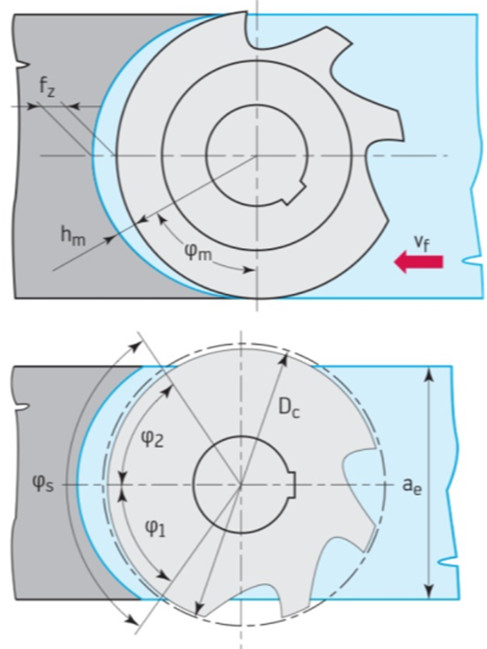
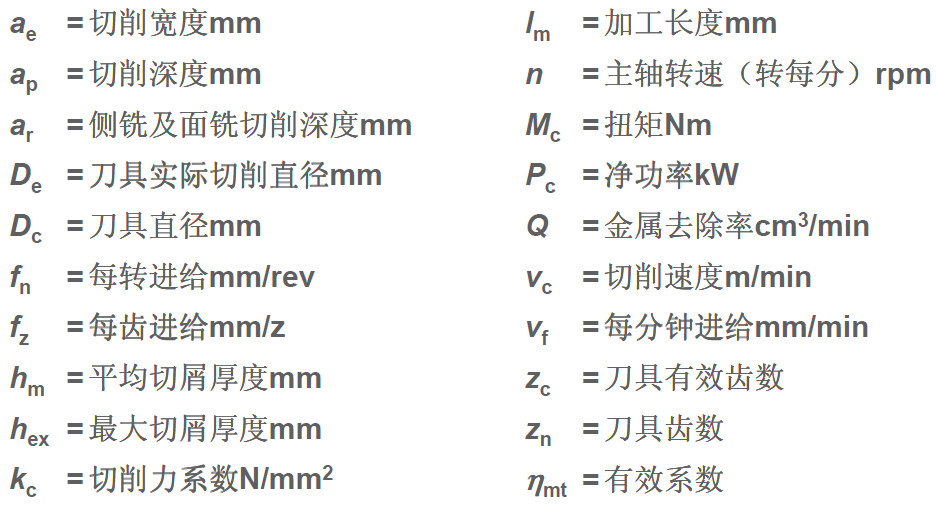
Calculation formula for cutting parameters:
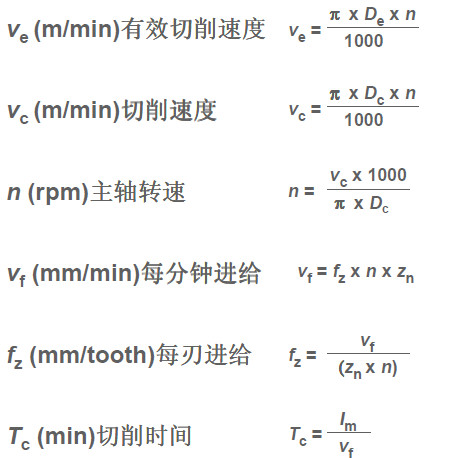
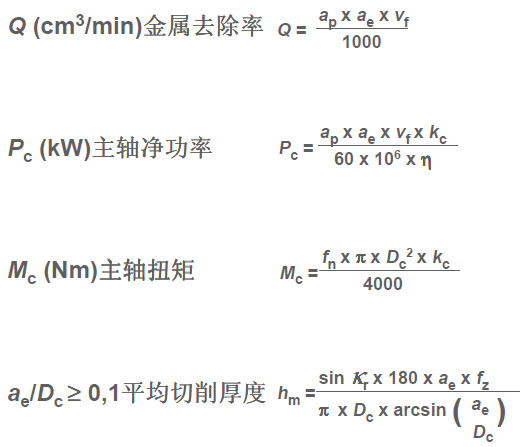
4
Milling Summary
1) Check the power and stiffness of the machine tool to ensure that the diameter of the milling cutter used can be as short as possible in the overhang of the tool used in the machine tool;
2) The number of teeth of the milling cutter is moderate to ensure that there are not too many blades meshing with the workpiece at the same time and causing vibration during processing. When milling narrow workpieces or cavities, there should be sufficient blade engagement with the workpiece;
3) Appropriate feed rate per tooth to achieve good cutting results and reduce tool wear when the chips are thick enough. Adopting front angle groove type blades to achieve smooth cutting effects and the lowest power;
4) The diameter of the milling cutter suitable for the width of the workpiece;
5) Correct main deviation angle (45 degrees suitable for general milling);
6) Suitable milling cutter position;
7) Only use cutting fluid when necessary, dry milling usually results in better tool life.