


To solve the problem of cutting vibration, just read this article!
In CNC milling, vibration may occur due to the limitations of cutting tools, tool holders, machine tools, workpieces, or fixtures, which can have certain adverse effects on machining accuracy, surface quality, and machining efficiency. To reduce cutting vibration, relevant factors need to be considered. The following is a comprehensive summary for your reference.
one
Fixture with poor rigidity
1) Evaluate the direction of cutting force, provide sufficient support or improve the fixture
2) Reduce cutting force by reducing cutting depth ap
3) Choose sparse teeth and unequal pitch milling cutters with sharper cutting edges
4) Choose a groove with a small tip radius and a small parallel edge band
5) Choose fine-grained uncoated blades or thin coated blades
6) Avoid machining when the workpiece is not supported enough to resist cutting forces
two
Workpieces with poor axial rigidity
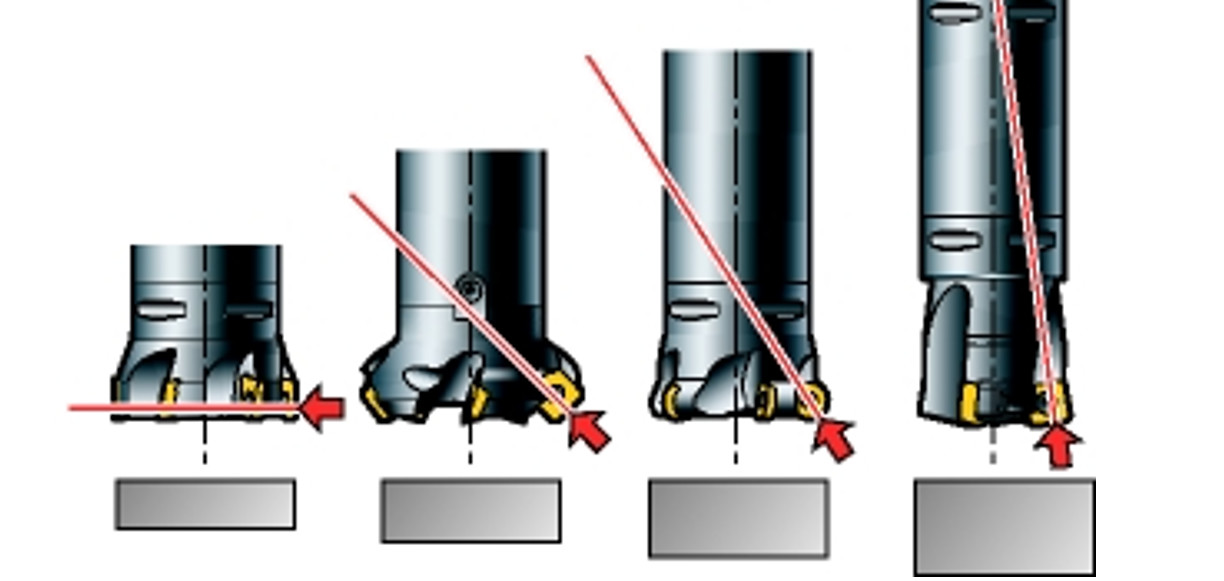
1) Consider using a square shoulder milling cutter with a positive rake groove (90 ° main deviation angle)
2) Choose blades with L-groove shape
3) Reduce axial cutting force: smaller cutting depth, smaller tool tip arc radius, and parallel edge band
4) Selecting Unequal Pitch Sparse Gear Milling cutters
5) Check tool wear
6) Check the runout of the tool handle
7) Improve tool clamping situation
three
Excessive tool overhang
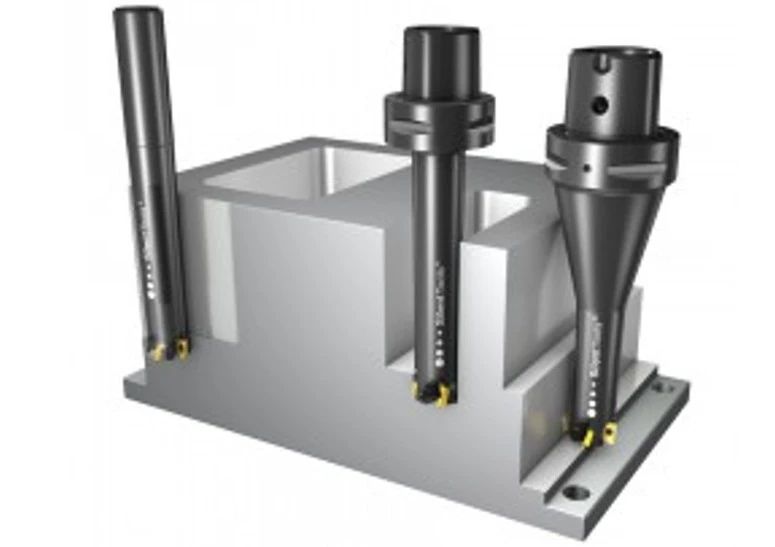
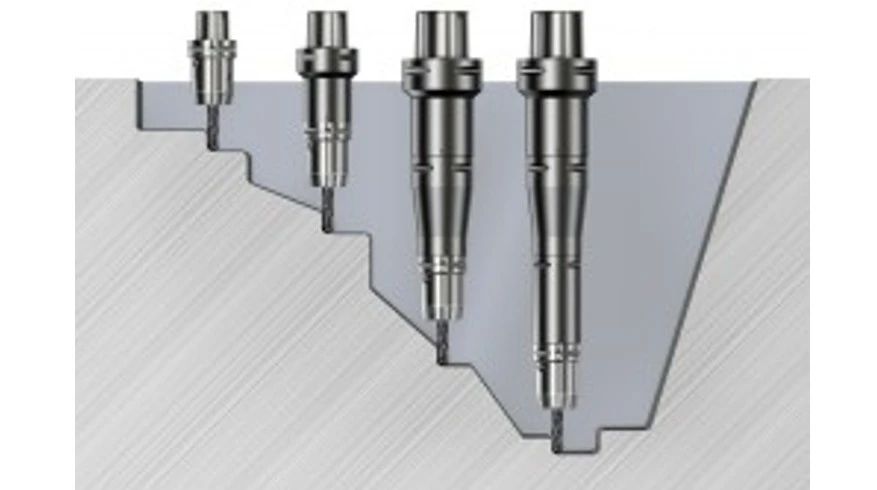
1) Minimize overhang
2) Using Unequal Pitch Sparse Gear Milling cutters
3) Balanced radial and axial cutting forces -45 ° main deviation angle, large tip arc radius or circular blade milling cutter
4) Increase feed per tooth
5) Using light and fast cutting blade grooves
6) Reduce axial cutting depth af
7) Using reverse milling in precision machining
8) Using extended extension rods with anti vibration function
9) For integral hard alloy end mills and interchangeable end mills, try using milling cutters with fewer teeth and/or larger helix angles
four
Using a spindle with poor rigidity to mill square shoulders
1) Choose milling cutters with the smallest possible diameter
2) Choose a light and fast cutting milling cutter and blade with sharp cutting edges
3) Attempting reverse milling
4) Check the deformation of the spindle to see if it is within the acceptable range of the machine tool
five
Unstable worktable feed
1) Attempting reverse milling
2) Tighten the machine tool feed mechanism: For CNC machine tools, adjust the feed screw
3) For traditional machine tools, adjusting the locking screw or replacing the ball screw
six
Cutting parameters
1) Reduce cutting speed (VC)
2) Increase feed rate (fz)
3) Change the cutting depth ap
seven
Poor stability
1) Shortening overhang
2) Improve stability
eight
Generate vibration in corners
Using large programming rounded corners at lower feed rates


