


Machine tool guides are generally divided into these categories
1. Linear guide rail
The new guide rail system enables the machine tool to achieve fast feed speed, which is a characteristic of linear guides when the spindle speed is the same. A linear guide rail, like a planar guide rail, has two basic components; One serves as a fixed component for guidance, and the other is a moving component. To ensure the accuracy of the machine tool, a small amount of chipping on the bed or column is essential, and in general, installation is relatively simple. A rolling steel ball is used instead of an intermediate medium between the moving and fixed components of a linear guide rail. Because rolling steel balls are suitable for high-speed motion, have low friction coefficient, and high sensitivity, they meet the working requirements of moving parts, such as tool holders and drag plates in machine tools.
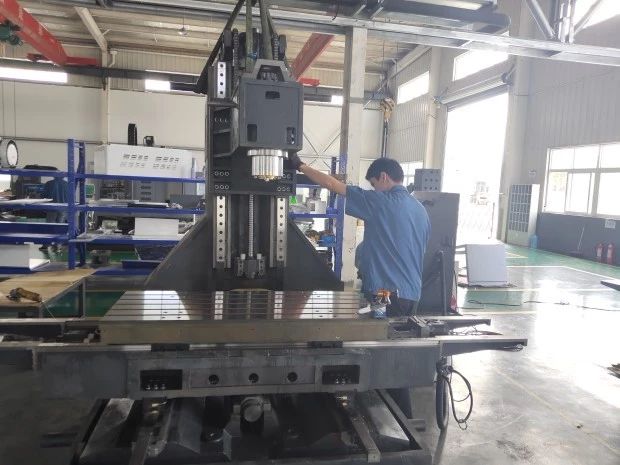
If the working time is too long, the steel ball begins to wear out, and the preload acting on the steel ball begins to weaken, resulting in a decrease in the motion accuracy of the machine tool's working components. If you want to maintain initial accuracy, you must replace the guide rail bracket, or even replace the guide rail. If the guide rail system already has a preloading effect. The system accuracy has been lost, the only way is to replace the rolling elements.
2. Linear roller guide rail
The linear roller guide system is a combination of a flat guide and a linear roller guide, which is installed on a parallel guide with rollers and uses rollers instead of steel balls to carry the moving parts of the machine tool. The advantages are large contact area, high load-bearing capacity, and high sensitivity. From the rear of the bed, the bracket and rollers are placed on the top and side of the flat guide rail. In order to achieve high precision, a wedge plate is set between the working parts of the machine tool and the inner surface of the bracket, so that the preload acts on the side of the bracket.
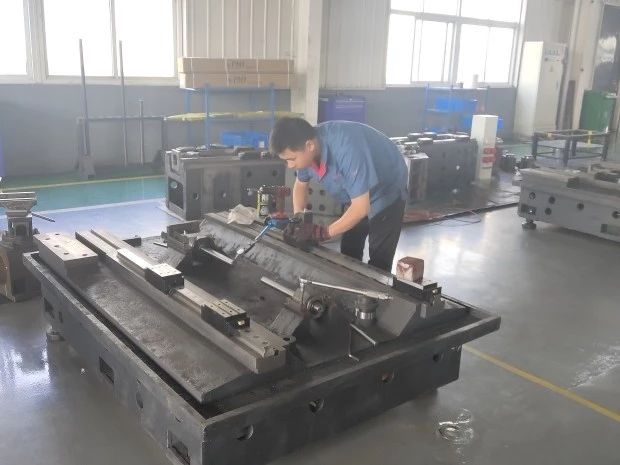
The working principle of a wedge plate is similar to that of a diagonal iron, where the weight of the working components acts on the top surface of the bracket. Due to the adjustable pre load acting on the guide rail system, the loss of the wedge plate is compensated. This feature is widely used in medium or large machine tools because it is sensitive to CNC commands and can withstand large loads. The linear roller guide rail system can withstand high-speed operation compared to traditional planar guides, improving the performance of machine tools.
3. Steel inlaid guide rail
The most commonly used form of guide rail on machine tools is steel embedded guide rail, which has a long history of use. Steel inlaid guide rails are fixed components of the guide rail system, with a rectangular cross-section. It can be horizontally mounted on the bed of the machine tool or cast into one with the bed, respectively known as inlaid steel type or integral type. The inlaid steel guide rail is made of steel, hardened and ground.
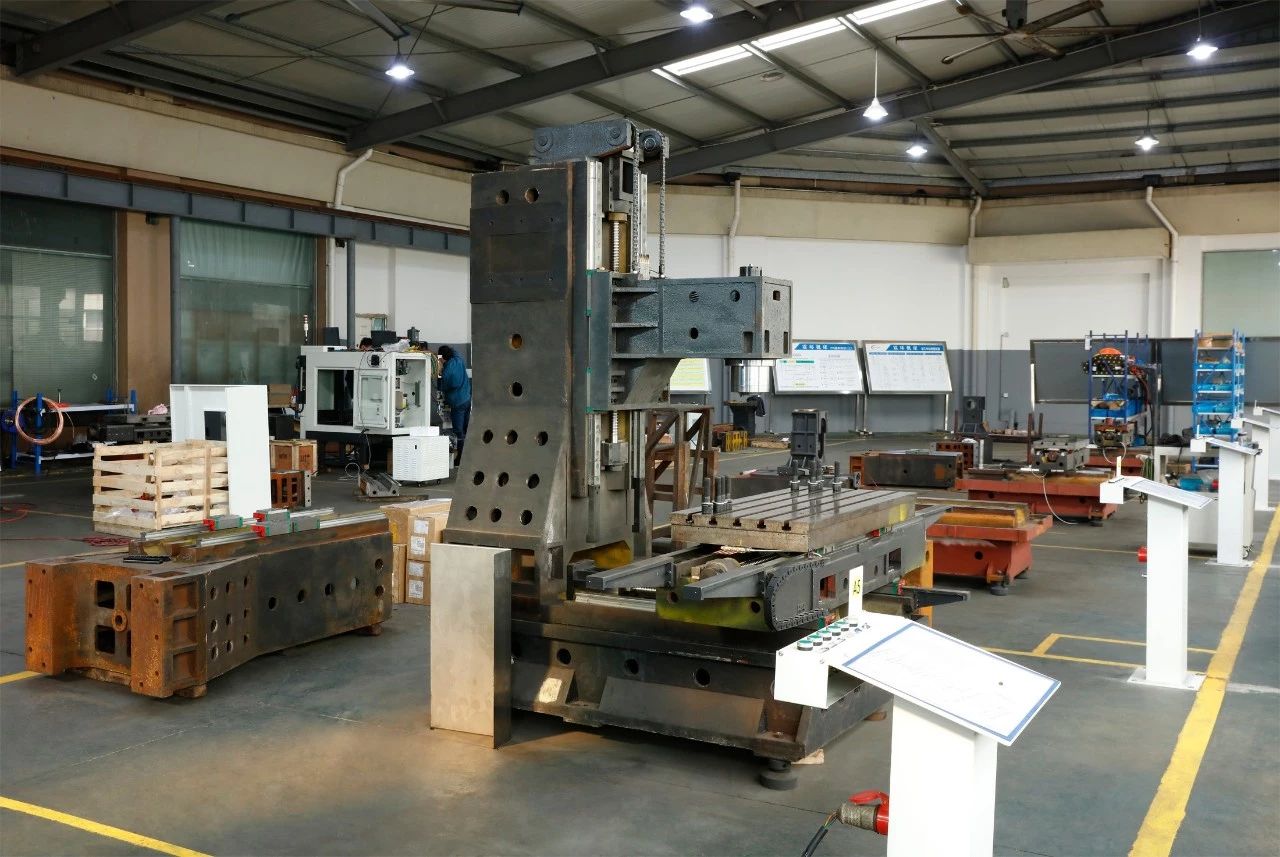
The hardness should be above 60 degrees Rockwell hardness. Use screws or adhesives (epoxy resin) to attach the steel guide rail to the machine bed or the surface of the scraped column to ensure the best flatness of the guide rail. This form of maintenance and replacement is convenient and simple, and is very popular among maintenance workers.
4. Sliding guide rail
The development of traditional guide rails is first manifested in the form of sliding elements and guide rails. The characteristic of sliding guide rails is the use of media between the guide rails and sliding elements, and the difference in form lies in the selection of different media. Hydraulic pressure is widely used in many guide rail systems.
Hydrostatic guide rail is one of them. Hydraulic oil enters the groove of the sliding element under pressure, forming an oil film between the guide rail and the sliding element, separating the guide rail from the moving element, greatly reducing the friction force of the moving element. Static pressure guide rails are extremely effective for heavy loads and have a compensating effect on eccentric loads.
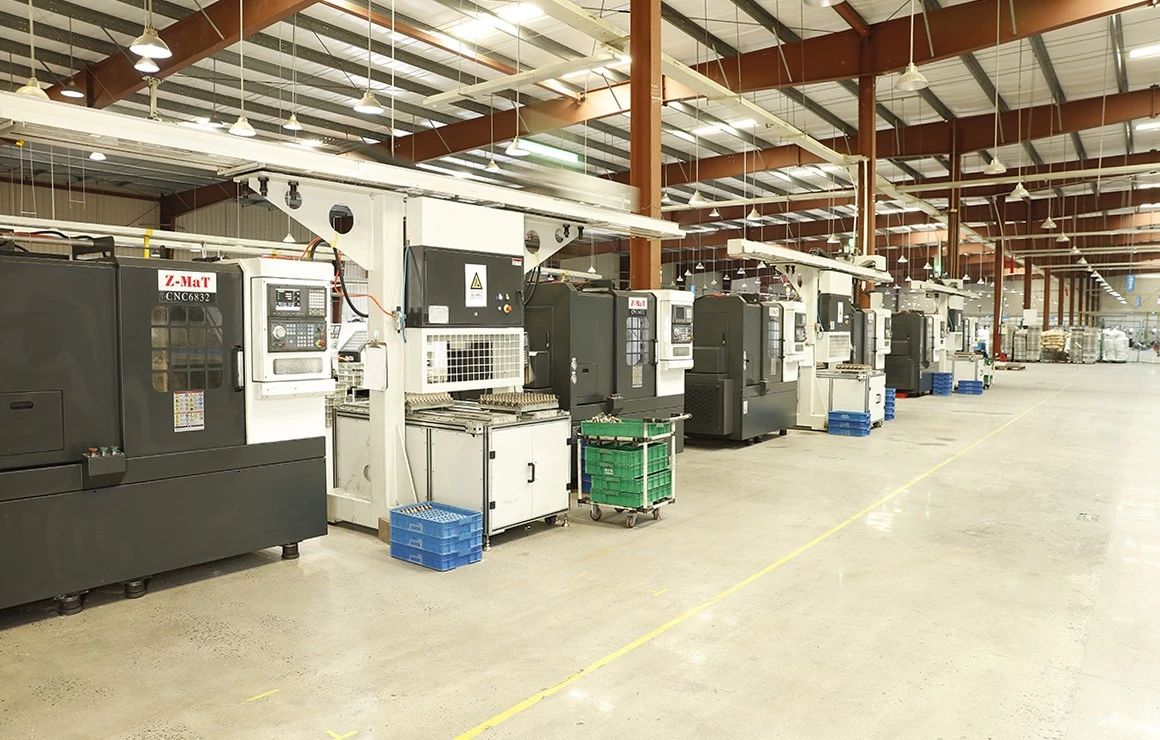
Another form of guide rail that uses oil as a medium is dynamic pressure guide rail. The difference between dynamic pressure guide rail and static pressure guide rail is that oil does not act under pressure. It uses the viscosity of oil to avoid direct contact between moving components and guide rail, and the advantage is to save hydraulic oil pumps.
Air can also be used as a medium between moving components and guide rails, and it has two forms: pneumatic static pressure guide rails and pneumatic dynamic pressure guide rails. The working principle is the same as hydraulic guide rails.


