

What is the noise level of a hydraulic machine?
Hey there! As a supplier of hydraulic machines, I often get asked about the noise level of these bad boys. So, I thought I'd sit down and write a blog post to share some insights on what the noise level of a hydraulic machine really is.
First off, let's talk about what causes the noise in a hydraulic machine. There are a few main culprits. One is the hydraulic pump. When the pump is working, it creates pressure and flow in the hydraulic system, and this can generate noise. The type of pump, its design, and how it's operating all play a role in how loud it is. For example, a gear pump might make a different kind of noise compared to a piston pump.
Another source of noise is the valves in the hydraulic system. Valves control the flow and direction of the hydraulic fluid, and when they open and close, they can cause a bit of a ruckus. The speed at which they operate and their internal construction can affect the noise level.
The hydraulic cylinders are also in on the action. As they move, there can be some friction between the piston and the cylinder walls, and this can create noise. Plus, the way the cylinder is mounted and how it's connected to other parts of the machine can influence how much noise it makes.
Now, how do we measure the noise level of a hydraulic machine? We usually use a unit called decibels (dB). A decibel is a logarithmic unit that measures the intensity of sound. To give you an idea of what different decibel levels mean, a normal conversation is around 60 dB, a vacuum cleaner is about 70 dB, and a lawnmower can be around 90 dB.
The noise level of a hydraulic machine can vary widely depending on its size, type, and how it's being used. Smaller hydraulic machines, like the ones used in some light manufacturing or DIY projects, might have a noise level in the range of 70 - 80 dB. These are relatively quiet and won't cause too much of a disturbance in a normal work environment.
On the other hand, larger industrial hydraulic machines, such as those used in heavy manufacturing or construction, can be much louder. They can reach noise levels of 90 dB or even higher. Working around these machines for long periods without proper hearing protection can be a real risk to your ears.
So, what can we do to reduce the noise level of a hydraulic machine? There are a few strategies. One is to use noise - reducing materials. For example, we can use vibration - damping mounts for the pump and other components. These mounts absorb some of the vibrations and prevent them from being transferred into the machine structure, which in turn reduces the noise.
Another option is to optimize the design of the hydraulic system. This might involve choosing the right type of pump and valves that are designed to operate more quietly. We can also adjust the flow rates and pressures in the system to minimize noise - generating factors.
Proper maintenance is also crucial. If the machine is well - maintained, with all the components in good working order, it's likely to be quieter. For instance, keeping the hydraulic fluid clean and at the right level can help the pump and other parts operate smoothly and quietly.
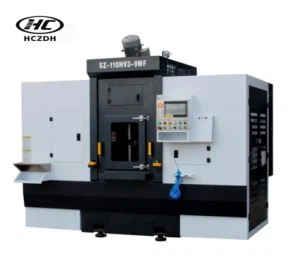
Now, let me tell you about some of the hydraulic machines we offer as a supplier. We have the Full Automatic Hydraulic Machine(tapping Type). This machine is designed for high - precision tapping operations. It's built with noise - reducing features in mind, so you can expect a relatively low noise level even during continuous operation.
Our Yuhuan China Cnc Full Automatic Hydraulic Press Machine is another great option. It's a powerful machine that uses advanced CNC technology for accurate and efficient pressing. We've taken steps in its design to keep the noise down, making it a great choice for industrial settings where noise control is important.
And then there's the Automatic Hydraulic Machine(tapping Type). This machine is perfect for medium - scale tapping jobs. It combines automation with a reasonable noise level, so you can get your work done without being bombarded by excessive noise.
If you're in the market for a hydraulic machine and noise level is a concern for you, we're here to help. Our team of experts can provide you with detailed information about the noise levels of our different machines and help you choose the one that's right for your needs. Whether you're a small business owner looking for a compact and quiet machine or a large industrial company in need of a heavy - duty solution, we've got you covered.

If you're interested in learning more about our hydraulic machines or want to discuss your specific requirements, don't hesitate to reach out. We're always happy to have a chat and see how we can assist you in getting the perfect hydraulic machine for your operations.
References
- "Hydraulic Systems and Components: Design, Installation, and Maintenance" - A comprehensive guide on hydraulic systems that includes information on noise reduction.
- "Noise Control in Industrial Environments" - A study focusing on ways to manage noise in industrial settings, including those with hydraulic machines.
- Industry standards and guidelines related to noise levels in hydraulic equipment.