

What is the difference between dry cutting and wet cutting on a Cnc Lathe Machine?
Hey there! As a supplier of CNC Lathe Machines, I often get asked about the difference between dry cutting and wet cutting. It's a topic that's super important for anyone looking to get the most out of their CNC lathe. So, let's dive right in and break it down.
What is Dry Cutting?
Dry cutting, as the name suggests, is a machining process that doesn't use any cutting fluids. It's a pretty straightforward approach where the cutting tool directly interacts with the workpiece. The main advantage of dry cutting is its simplicity. You don't have to worry about managing cutting fluids, which can save you time and money on fluid procurement, storage, and disposal.
One of the big benefits of dry cutting is that it's environmentally friendly. Since there are no cutting fluids involved, there's no risk of fluid spills or contamination of the environment. It's also great for jobs where you're working with materials that are sensitive to moisture. For example, some metals can react with cutting fluids, causing corrosion or other issues. With dry cutting, you don't have to worry about that.
However, dry cutting also has its drawbacks. Without the cooling and lubricating effect of cutting fluids, the cutting tool can get really hot. This can lead to increased tool wear and a shorter tool life. The heat can also cause the workpiece to expand, which can affect the accuracy of the machining. And if you're working with hard materials, the lack of lubrication can make it more difficult for the cutting tool to penetrate the material, resulting in a slower cutting speed.
What is Wet Cutting?
Wet cutting, on the other hand, involves using cutting fluids during the machining process. These fluids serve several important functions. First of all, they cool the cutting tool and the workpiece. By removing the heat generated during cutting, they help to prevent tool wear and keep the workpiece at a stable temperature, which improves the accuracy of the machining.

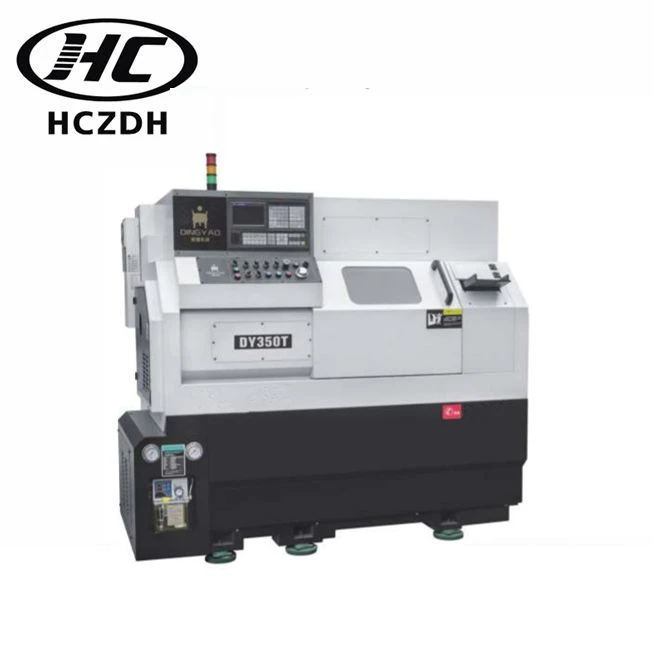
Cutting fluids also act as a lubricant. They reduce the friction between the cutting tool and the workpiece, making it easier for the tool to cut through the material. This can result in a faster cutting speed and a better surface finish on the workpiece. Additionally, cutting fluids can help to flush away the chips produced during cutting, keeping the cutting area clean and preventing the chips from interfering with the cutting process.
But wet cutting isn't all sunshine and rainbows. There are some downsides to using cutting fluids. For one thing, they can be expensive. You have to buy the fluids, store them properly, and dispose of them safely when they're no longer usable. Cutting fluids can also be messy. They can splash around during the machining process, creating a slippery and potentially hazardous work environment. And if the cutting fluids aren't properly maintained, they can become a breeding ground for bacteria and other microorganisms, which can pose a health risk to the operators.
Key Differences Between Dry Cutting and Wet Cutting
Let's take a closer look at the key differences between dry cutting and wet cutting on a CNC lathe machine:
1. Temperature Control
In dry cutting, the temperature can rise significantly due to the lack of cooling. This can lead to thermal expansion of the workpiece and the cutting tool, affecting the dimensional accuracy of the machined part. In wet cutting, the cutting fluid helps to dissipate the heat, keeping the temperature under control and ensuring more accurate machining.
2. Tool Life
As mentioned earlier, dry cutting can cause more tool wear because of the high temperatures and increased friction. The cutting tool has to work harder without the lubrication provided by the cutting fluid, which can lead to a shorter tool life. Wet cutting, on the other hand, reduces tool wear by cooling and lubricating the tool, allowing it to last longer.
3. Surface Finish
The surface finish of the workpiece is often better with wet cutting. The lubricating effect of the cutting fluid helps to reduce the roughness of the machined surface, resulting in a smoother finish. In dry cutting, the lack of lubrication can cause the cutting tool to chatter, which can leave marks on the workpiece surface.
4. Cost
Dry cutting is generally cheaper in terms of direct costs since you don't have to buy, store, or dispose of cutting fluids. However, you may end up spending more on tool replacements due to the shorter tool life. Wet cutting can be more expensive upfront because of the cost of the cutting fluids, but it can save you money in the long run by extending the tool life and improving the efficiency of the machining process.
5. Environmental Impact
Dry cutting is more environmentally friendly because it doesn't involve the use of cutting fluids, which can be harmful to the environment if not properly disposed of. Wet cutting, on the other hand, requires careful management of the cutting fluids to prevent pollution.
Which One Should You Choose?
So, which type of cutting is better for your CNC lathe machine? Well, it depends on several factors. If you're working with small-scale projects or materials that are sensitive to moisture, dry cutting might be the way to go. It's simple, cost-effective, and environmentally friendly.
On the other hand, if you're working with large-scale production, hard materials, or need a high-quality surface finish, wet cutting is probably a better choice. The benefits of improved tool life, better temperature control, and a smoother surface finish can outweigh the additional costs and challenges associated with using cutting fluids.
As a CNC lathe machine supplier, we offer a wide range of machines that are suitable for both dry and wet cutting. Check out our Low Price With Ce Certificated CNC Machin, Double-axis Cnc Machine, and Economical Truss Automatic Lathe to find the perfect machine for your needs.
Conclusion
In conclusion, both dry cutting and wet cutting have their pros and cons. Understanding the differences between the two can help you make an informed decision about which method is best for your specific machining requirements. Whether you choose dry cutting or wet cutting, having a high-quality CNC lathe machine is essential for achieving the best results.
If you're interested in learning more about our CNC lathe machines or have any questions about dry cutting and wet cutting, don't hesitate to reach out. We're here to help you make the right choice for your business. Let's start a conversation and see how we can work together to meet your machining needs.
References
- "Manufacturing Engineering and Technology" by Serope Kalpakjian and Steven Schmid
- "CNC Machining Handbook" by Mark Hatch