

How to troubleshoot a ball machine?
Troubleshooting a ball machine can be a challenging yet rewarding task. As a supplier of ball machines, I've encountered various issues over the years and have learned effective ways to diagnose and resolve them. In this blog post, I'll share some valuable insights on how to troubleshoot a ball machine, ensuring it operates at its best.
Understanding the Basics of a Ball Machine
Before diving into troubleshooting, it's essential to have a basic understanding of how a ball machine works. A typical ball machine consists of a hopper to hold the balls, a feeding mechanism to transport the balls to the shooting system, and a shooting mechanism that propels the balls towards the target. Additionally, there are controls for adjusting the speed, angle, and frequency of the ball shots.
Common Issues and Their Solutions
1. Ball Jams
One of the most common problems with ball machines is ball jams. This can occur in the hopper, the feeding tube, or the shooting mechanism.
Symptoms: The machine stops shooting balls, or you can hear a grinding noise indicating that the balls are stuck.

Causes:
- Overloading the hopper with too many balls can cause them to get stuck.
- Balls with irregular shapes or sizes can also lead to jams.
- Debris or foreign objects in the feeding tube or shooting mechanism can block the passage of the balls.
Solutions:
- First, turn off the machine and unplug it from the power source for safety.
- Check the hopper and remove any excess balls. Make sure the balls are evenly distributed and not overcrowded.
- Inspect the feeding tube and shooting mechanism for any debris or foreign objects. Use a small brush or compressed air to clean them out.
- If the jam persists, carefully disassemble the affected parts according to the manufacturer's instructions and remove the stuck ball.
2. Inconsistent Ball Speed or Trajectory
Another common issue is inconsistent ball speed or trajectory. This can make it difficult to practice effectively.
Symptoms: The balls are shot with varying speeds or at different angles than set on the controls.
Causes:
- Worn-out belts or pulleys in the shooting mechanism can cause fluctuations in speed.
- Loose or misaligned parts can affect the ball's trajectory.
- Incorrect calibration of the speed and angle controls can also lead to inconsistencies.
Solutions:
- Check the belts and pulleys for signs of wear and tear. If they are damaged, replace them with new ones.
- Inspect the parts of the shooting mechanism for any loose or misaligned components. Tighten any loose screws or bolts and realign the parts as necessary.
- Recalibrate the speed and angle controls according to the manufacturer's instructions. This may involve using a calibration tool or following a specific procedure.
3. Electrical Problems
Electrical issues can also cause problems with the ball machine's operation.
Symptoms: The machine fails to turn on, or there are intermittent power outages.
Causes:
- A blown fuse or tripped circuit breaker can cut off the power supply.
- Loose or damaged electrical connections can cause intermittent power problems.
- A faulty motor or control board can also lead to electrical failures.
Solutions:
- Check the fuse or circuit breaker and replace or reset it if necessary.
- Inspect the electrical connections for any loose or damaged wires. Tighten the connections or replace the wires if needed.
- If the problem persists, it may be a faulty motor or control board. In this case, it's best to contact a professional technician for further diagnosis and repair.
4. Noise and Vibration
Excessive noise and vibration can be a sign of underlying problems with the ball machine.
Symptoms: The machine makes loud or unusual noises during operation, or it vibrates excessively.
Causes:
- Loose or unbalanced parts can cause vibrations and noise.
- Worn-out bearings or gears can also lead to excessive noise.
- The machine may not be placed on a stable surface, causing it to vibrate.
Solutions:
- Check the parts of the machine for any loose or unbalanced components. Tighten any loose screws or bolts and balance the parts as necessary.
- Inspect the bearings and gears for signs of wear and tear. If they are damaged, replace them with new ones.
- Make sure the machine is placed on a stable and level surface. You can use rubber pads or anti-vibration mats to reduce the vibrations.
Regular Maintenance Tips
To prevent these issues from occurring, it's important to perform regular maintenance on your ball machine. Here are some tips:
- Clean the Machine Regularly: Use a soft cloth or brush to remove any dust, dirt, or debris from the machine. Pay special attention to the hopper, feeding tube, and shooting mechanism.
- Lubricate Moving Parts: Apply a small amount of lubricant to the moving parts, such as the belts, pulleys, and bearings, to reduce friction and wear.
- Check the Belts and Pulleys: Inspect the belts and pulleys for signs of wear and tear regularly. Replace them if they are damaged or worn out.
- Store the Machine Properly: When not in use, store the machine in a dry and cool place. Cover it with a protective cover to prevent dust and dirt from accumulating.
Conclusion
Troubleshooting a ball machine requires a basic understanding of its components and how they work. By following the tips and solutions outlined in this blog post, you can diagnose and resolve common issues with your ball machine. Remember to always follow the manufacturer's instructions and safety guidelines when performing any maintenance or repairs.
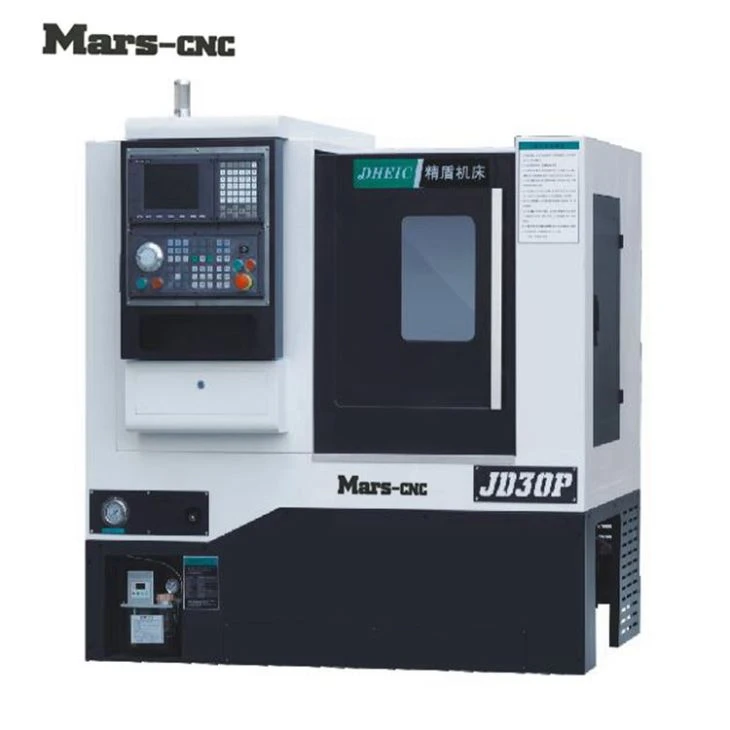
If you're in the market for a high-quality ball machine or other related equipment, we are a leading supplier. We also offer a wide range of other machines such as the Mini Lathe Machine, Professional Top Supplier Slant Bed Cnc Machine In China JD30P, and HC-002 Double Belt Round Bar Sander Wheel Polishing Machine Car Alloy Wheel Rim Repair CNC Lathe Machine.
If you have any questions or need further assistance with troubleshooting or purchasing a ball machine, feel free to contact us for more information and to start a procurement discussion.
References
- Manufacturer's manuals for ball machines
- Industry best practices for maintenance and troubleshooting of sports equipment