

How to balance the workpiece on a Cnc Lathe Machine?
Balancing the workpiece on a CNC lathe machine is crucial for achieving high - quality machining results and ensuring the longevity of your equipment. As a CNC lathe machine supplier, I've seen firsthand the importance of this process. In this blog, I'll share some tips on how to balance the workpiece on a CNC lathe machine effectively.
Understanding the Importance of Workpiece Balancing
Before we dive into the how - to, let's talk about why balancing the workpiece is so important. When a workpiece is unbalanced, it can cause a variety of issues. First off, it leads to excessive vibration during the machining process. These vibrations not only affect the surface finish of the workpiece but also put extra stress on the lathe's components, such as the spindle, bearings, and tooling. Over time, this can lead to premature wear and tear, increasing maintenance costs and reducing the overall lifespan of your CNC lathe.
Moreover, unbalanced workpieces can result in inaccurate machining. The vibrations can cause the cutting tool to deviate from its intended path, leading to dimensional errors in the finished product. This is especially critical in industries where tight tolerances are required, like aerospace or medical device manufacturing.
Steps to Balance the Workpiece on a CNC Lathe Machine
Step 1: Inspection and Preparation
The first step in balancing the workpiece is to thoroughly inspect it. Check for any visible signs of damage, such as cracks or uneven surfaces. These imperfections can contribute to imbalance. If you find any issues, address them before proceeding.
Next, clean the workpiece and the lathe's chuck or fixture. Any dirt, debris, or chips can affect the gripping force and cause the workpiece to shift during operation, leading to imbalance. Use a clean cloth and a suitable cleaning agent to remove any contaminants.
Step 2: Mounting the Workpiece
Proper mounting is essential for balancing. Make sure the workpiece is centered in the chuck or fixture. Most CNC lathes come with adjustable jaws or fixtures that can be used to secure the workpiece. Tighten the jaws evenly to ensure a uniform grip. If the workpiece is not centered correctly, it will be inherently unbalanced.
For irregularly shaped workpieces, you may need to use additional support or fixtures to ensure stability. This could include using steady rests or tailstocks to prevent the workpiece from bending or vibrating during machining.
Step 3: Initial Balancing Check
Once the workpiece is mounted, perform an initial balancing check. This can be done by running the lathe at a low speed. Observe the vibrations. If you notice excessive vibrations, it's a sign that the workpiece is unbalanced.
There are several ways to correct the imbalance. One common method is to add or remove weight from the workpiece. You can use balancing weights, which are typically made of metal and can be attached to the workpiece at specific locations. These weights counteract the uneven distribution of mass in the workpiece.
Step 4: Precision Balancing
For more precise balancing, you can use a balancing machine. A balancing machine measures the amount and location of the imbalance and provides information on where to add or remove weight. This is especially useful for high - speed machining or when extremely tight tolerances are required.
If you don't have access to a balancing machine, you can also use trial - and - error methods. Start by adding small weights to the workpiece at strategic locations and then re - check the balance. Repeat this process until the vibrations are within an acceptable range.
Step 5: Final Checks and Adjustments
After achieving a satisfactory balance, perform a final check at the actual machining speed. This will ensure that the workpiece remains balanced under the conditions it will be subjected to during the machining process.
Make any necessary adjustments to the balancing weights or the mounting of the workpiece. It's also a good idea to re - tighten the chuck jaws or fixtures to ensure they haven't loosened during the balancing process.
Tips for Maintaining Balance
- Regular Maintenance: Keep your CNC lathe machine well - maintained. This includes lubricating the moving parts, checking the alignment of the spindle, and inspecting the chuck and fixtures for wear. A well - maintained machine is less likely to introduce additional imbalance during operation.
- Operator Training: Ensure that your operators are properly trained in workpiece balancing techniques. They should understand the importance of balance and be able to perform the necessary checks and adjustments.
- Use Quality Tools and Workpieces: High - quality tools and workpieces are less likely to have inherent imbalances. Invest in good - quality materials and cutting tools to minimize the chances of imbalance.
Our CNC Lathe Machines for Your Balancing Needs
As a CNC lathe machine supplier, we offer a wide range of CNC lathe machines that are designed to handle various types of workpieces and balancing requirements. For example, our Alloy Wheel CNC Lathe is specifically designed for machining alloy wheels, which require precise balancing for optimal performance.
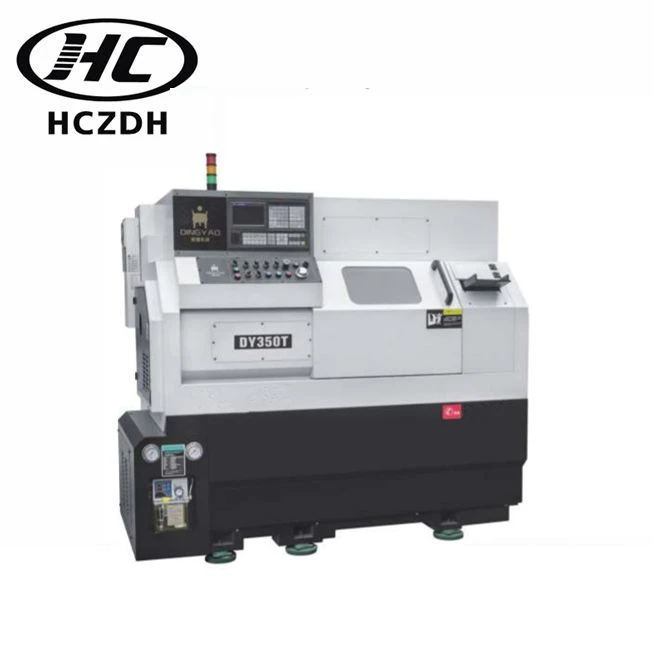

Our Economical Truss Automatic Lathe is a cost - effective solution for small - to - medium - sized workpieces. It provides reliable performance and can be easily adjusted for workpiece balancing.
If you're looking for a more general - purpose CNC lathe, our CK6140 Horizontal CNC Lathe is a great choice. It offers high precision and flexibility, making it suitable for a wide range of machining applications.
Conclusion
Balancing the workpiece on a CNC lathe machine is a critical process that can significantly impact the quality of your machining results and the lifespan of your equipment. By following the steps outlined in this blog and using the right tools and techniques, you can achieve optimal balance and ensure the success of your machining operations.
If you're interested in learning more about our CNC lathe machines or need assistance with workpiece balancing, don't hesitate to contact us. We're here to help you find the best solutions for your machining needs.
References
- "CNC Lathe Operations and Programming" by John Doe
- "Workpiece Balancing Techniques in Machining" by Jane Smith
- Manufacturer's manuals for various CNC lathe machines